
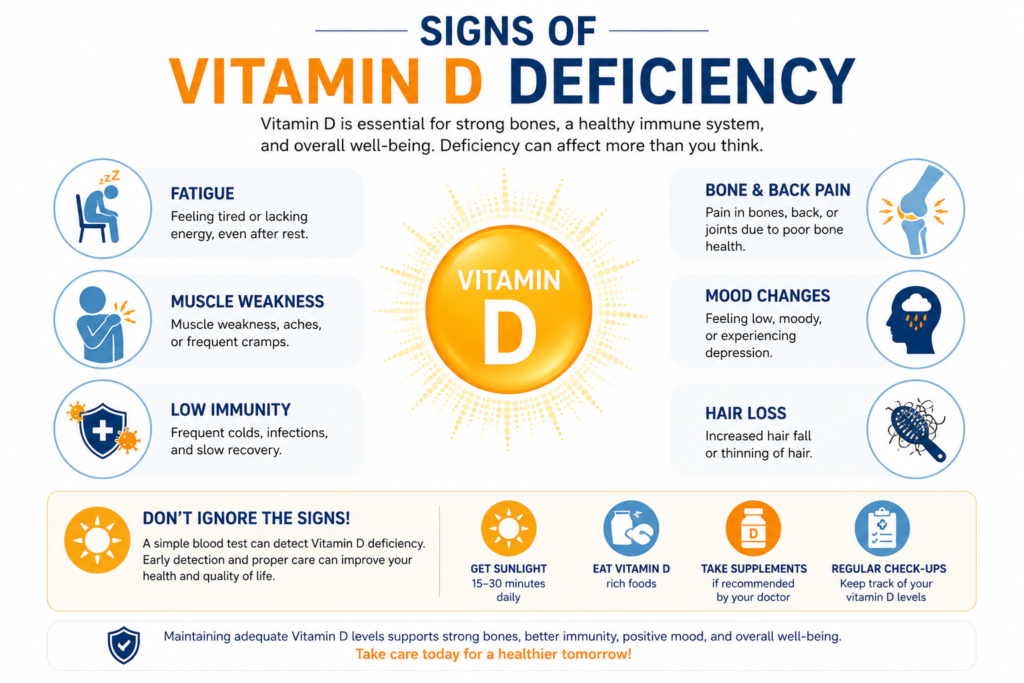
We are living in an era of unprecedented medical advancement, yet a silent, insidious epidemic is quietly sweeping across the globe. It respects no borders, affects people of all ages, and often masks itself as the normal wear and tear of modern life. This epidemic is Vitamin D deficiency.
According to comprehensive epidemiological data published in the StatPearls database via the National Center for Biotechnology Information (NCBI), approximately one billion people worldwide are living with inadequate levels of this vital nutrient. From the high-rise apartments of New York City to the sun-drenched streets of India, modern lifestyle changes have inadvertently starved our bodies of the one thing we were evolutionarily designed to absorb in abundance: sunlight.
The danger of a Vitamin D deficiency lies in its subtlety. Long before a severe deficiency manifests as debilitating bone diseases, the body sends out distress signals—early signs that are frequently dismissed as mere stress, aging, or a busy lifestyle.
This comprehensive guide delves deep into the biological marvel of the “sunshine vitamin,” explores the root causes of our modern deficiency, and meticulously breaks down the early warning signs you should never ignore. Our goal is to empower you with deep, actionable knowledge to take control of your health before these early whispers turn into clinical complications.
The Biological Marvel: More Than Just a Vitamin
To truly understand why a lack of Vitamin D wreaks havoc on the body, we must first correct a century-old misconception: Vitamin D is not actually a vitamin. In the realm of biology, a vitamin is defined as a nutrient that the body cannot synthesize on its own and must acquire through diet. Vitamin D, however, is a remarkable prohormone that our bodies are fully equipped to manufacture from scratch.
The Solar Synthesis Pathway
The journey of Vitamin D begins in the largest organ of your body: the skin. When your bare skin is exposed to the ultraviolet B (UV-B) radiation from the sun, a miraculous chemical reaction occurs. A compound resting in your epidermis known as 7-dehydrocholesterol absorbs this solar energy and is rapidly converted into pre-vitamin D3. Through the heat of your own body, this unstable molecule quickly isomerizes into Vitamin D3 (cholecalciferol).
But the process is far from over. This raw form of Vitamin D enters your bloodstream, bound to a specialized transport protein, and travels to the liver. The liver hydroxylates it, attaching an oxygen and hydrogen atom to create 25-hydroxyvitamin D [25(OH)D], also known as calcifediol. This is the primary circulating form of the hormone and the exact biomarker doctors measure when you get a blood test.
Finally, as your body requires it, the kidneys perform a second hydroxylation to produce the biologically active, potent steroid hormone known as 1,25-dihydroxyvitamin D (calcitriol).
A Master Regulator of the Human Body
Once activated, calcitriol behaves like a master physiological key. It travels throughout the body and binds to the Vitamin D Receptor (VDR), which is present in almost every single tissue and cell type we possess.
- Bone Health and Calcium Homeostasis: Its most famous role is in the gut, where it dramatically enhances the intestinal absorption of dietary calcium and phosphorus. Without adequate Vitamin D, your body can only absorb a mere 10% to 15% of the calcium you consume, compared to the optimal 30% to 40%.
- The Immune System: Vitamin D is a profound immunomodulator. It regulates the function of macrophages, T-cells, and B-cells, dampening runaway inflammation while simultaneously boosting the innate immune system’s ability to fight off invasive pathogens.
- Neuromuscular and Cellular Function: It regulates cell growth, prevents rogue cellular proliferation, and is intrinsically linked to muscle strength, nerve firing, and even the synthesis of neurotransmitters in the brain.
When you understand that Vitamin D is a master hormone regulating thousands of genetic pathways, it becomes clear why a deficiency causes such widespread, systemic symptoms.
The Modern Epidemic: Why Are We So Deficient?
If our bodies are perfectly designed to synthesize Vitamin D from sunlight, why are a billion people deficient? The answer lies in the radical mismatch between our evolutionary biology and our modern, industrialized lifestyles.
1. The Geographic and Seasonal Disconnect
The angle of the sun matters immensely. If you live at latitudes above 37 degrees north (above cities like Atlanta, Georgia, or Athens, Greece) or below 37 degrees south, the sun’s rays enter the atmosphere at an oblique angle during the winter months. The ozone layer effectively absorbs all the UVB photons before they can reach the earth’s surface. During these long “Vitamin D winters,” your skin produces absolutely zero Vitamin D, regardless of how long you stand outside.
2. The Sunscreen Paradox
In our rightful crusade to prevent skin cancer and premature aging, we have embraced high-SPF sunscreens. However, sunscreen is designed to block the exact spectrum of ultraviolet light (UVB) required for hormone synthesis. Applying an SPF 30 sunscreen reduces your skin’s ability to produce Vitamin D by roughly 95% to 98%.
3. The Melanin Factor
Melanin is the magnificent pigment that gives human skin its color, acting as a natural, built-in sunscreen that protects cellular DNA from radiation damage. However, because melanin absorbs UVB radiation, individuals with darker skin tones require significantly more time in the sun to produce the same amount of Vitamin D as someone with lighter skin. According to demographic data, over 80% of adults in specific regions of South Asia and the Middle East, and a vast majority of Black and Hispanic populations in North America, live with suboptimal levels due to this biological reality paired with indoor living.
4. The Adiposity Sink
Vitamin D is a fat-soluble hormone. In populations struggling with rising rates of obesity, the excess subcutaneous adipose (fat) tissue acts like a physiological sponge. It sequesters the synthesized or ingested Vitamin D, pulling it out of the active serum circulation and hoarding it in the fat cells, leading to a functional deficiency in the blood.
5. Age-Related Decline
As we age, our skin undergoes structural changes. The epidermal concentration of the precursor molecule, 7-dehydrocholesterol, drops precipitously. By the time a person reaches the age of 70, their skin’s capacity to synthesize Vitamin D from sunlight is reduced by approximately 75% compared to a 20-year-old.
6. Gut Health and Malabsorption
Because it is fat-soluble, Vitamin D requires a healthy gastrointestinal tract and proper fat digestion to be absorbed from food or oral supplements. Individuals suffering from malabsorption syndromes—such as Celiac disease, Crohn’s disease, cystic fibrosis, or those who have undergone bariatric surgery—are at an incredibly high risk of severe, chronic deficiency.
Table 1: The Global Risk Matrix for Vitamin D Deficiency
| Risk Factor | Biological Mechanism | High-Risk Demographics |
| Latitude & Season | Oblique solar angle prevents UVB photons from penetrating the ozone layer. | Residents above the 37th parallel, especially during late autumn and winter. |
| Skin Pigmentation | High melanin concentration absorbs UVB radiation, slowing down epidermal hormone synthesis. | Individuals of African, Hispanic, South Asian, and Middle Eastern descent living in temperate zones. |
| Obesity | Adipose tissue sequesters the fat-soluble vitamin, removing it from blood circulation. | Individuals with a Body Mass Index (BMI) of 30 or higher. |
| Advanced Age | Depleted 7-dehydrocholesterol in the epidermis limits the raw materials for synthesis. | Adults over the age of 65, particularly those in nursing homes or assisted living. |
| Malabsorption | Intestinal inflammation or lack of bile/pancreatic enzymes prevents dietary absorption. | Patients with Celiac disease, Crohn’s disease, or those who have had gastric bypass surgery. |
The Silent Alarm: 8 Early Signs of Vitamin D Deficiency
The transition from optimal health to severe deficiency is not an overnight event. It is a slow, gradual decline. The body is highly adaptable, but as stores of 25(OH)D drop lower and lower, cellular processes begin to sputter. Recognizing the early, subtle signs is the key to halting the progression.
1. Profound, Unexplained Fatigue and Lethargy
One of the earliest and most pervasive symptoms of a low Vitamin D status is a bone-deep, unshakeable fatigue. This is not the standard tiredness that follows a poor night’s sleep; it is a pervasive lethargy that caffeine cannot touch.
The mechanism behind this lies within the mitochondria—the microscopic powerhouses inside our cells. Research indicates that Vitamin D is essential for optimal mitochondrial respiratory function. When levels drop, your skeletal muscle cells literally cannot generate adenosine triphosphate (ATP)—the currency of cellular energy—as efficiently. A 2014 clinical study highlighted by Medical News Today found that when patients presenting with chronic, unexplained fatigue were supplemented with Vitamin D, their fatigue scores improved dramatically. If you find yourself exhausted despite getting eight hours of sleep, your body may be crying out for sunlight.
2. Aching Bones and Lower Back Pain
It is crucial to distinguish between muscular soreness and true bone pain. Muscle pain tends to be localized and linked to physical exertion. Bone pain, however, is a deep, throbbing, penetrating ache that is often felt in the lower back, the pelvis, the ribs, and the long bones of the legs.
When Vitamin D levels fall, your intestines stop absorbing calcium from your diet. Your body, prioritizing the critical calcium levels in your blood (needed for your heart to beat and nerves to fire), triggers a massive release of Parathyroid Hormone (PTH). This condition, known as secondary hyperparathyroidism, forces your body to literally mine its own skeleton. Specialized cells called osteoclasts begin to dissolve your bone matrix to release calcium into the blood. This rapid demineralization causes microscopic structural weaknesses and inflammation in the periosteum (the membrane covering the bones), resulting in that deep, chronic ache.
3. Frequent Illnesses and Lingering Infections
If you are the person who catches every single cold, flu, or respiratory bug that circulates the office, your immune system may be operating without its primary conductor.
Vitamin D is a potent immune modulator. The active hormone binds to receptors on immune cells, triggering the production of powerful antimicrobial peptides like cathelicidin and defensins. These microscopic warriors are your body’s first line of defense against invading bacteria and viruses, particularly in the delicate lining of the upper respiratory tract. Without sufficient Vitamin D, your innate immune response is sluggish, leaving you highly susceptible to frequent infections and prolonged recovery times.
4. Muscle Weakness and Heaviness (Myopathy)
Because the Vitamin D receptor is highly expressed in human skeletal muscle tissue, a deficiency frequently manifests as generalized muscle weakness. Patients often describe this not as pain, but as a profound “heaviness” in their limbs.
This symptom is particularly noticeable in the proximal muscles—the large muscle groups closest to the trunk of the body, such as the thighs and shoulders. You might find it increasingly difficult to stand up from a low chair without using your arms, to climb a flight of stairs, or to lift objects over your head. Over time, this myopathy significantly increases the risk of falls, a particularly dangerous complication for the elderly.
5. Mood Instability and Low-Grade Depression
The human brain is dense with Vitamin D receptors, particularly in the areas responsible for mood regulation, such as the hypothalamus. While the exact neurochemical pathways are still being heavily researched, clinical data shows a strong correlation between low systemic Vitamin D levels and mood disorders, including seasonal affective disorder (SAD) and clinical depression.
Vitamin D is believed to play a critical regulatory role in the synthesis of serotonin, the “feel-good” neurotransmitter. When levels are inadequate, serotonin production may falber, leading to feelings of sadness, anxiety, apathy, and emotional instability. If your mood routinely plummets during the dark winter months, a deficiency is a prime suspect.
6. Sluggish and Impaired Wound Healing
If a simple paper cut, a minor scrape, or a surgical incision takes an unusually long time to heal, your cellular regeneration pathways may be compromised.
Wound healing is an incredibly complex biological symphony involving inflammation, tissue formation, and tissue remodeling. In vitro studies have demonstrated that Vitamin D plays a crucial role in regulating the epidermal growth factors required to synthesize new tissue. Furthermore, its ability to curb excessive inflammation and produce local antimicrobial compounds prevents wounds from becoming chronically infected. A distinct delay in the healing process is a loud, early warning sign of a systemic nutrient deficit.
7. Diffuse Hair Thinning and Hair Loss
While some hair shedding is a normal part of the human physiological cycle, noticing an excessive amount of hair in the shower drain or on your pillowcase can be alarming.
Hair follicles cycle through distinct phases: growth (anagen), regression (catagen), and rest (telogen). Vitamin D receptors are highly concentrated in the keratinocytes of the hair follicle and are absolutely essential for initiating and maintaining the anagen growth phase. When the hormone is lacking, the hair follicles prematurely exit the growth phase and enter the resting phase, leading to diffuse, widespread thinning—a condition known as telogen effluvium.
8. Early Signs in Infants and Newborns: The Pediatric Warning
Vitamin D deficiency is not just an adult affliction; it begins in the womb. Mothers who are deficient during pregnancy give birth to infants with severely depleted reserves.
Because infants cannot vocalize bone pain or fatigue, the early signs are entirely neurological and behavioral. A pivotal 2017 study published in the journal Pediatrics (Collins & Young) highlighted that benign neonatal shudders, shivers, jitteriness, and facial tremors are often the very first clinical manifestations of severe Vitamin D deficiency in newborns. Furthermore, as toddlers begin to grow, a deficiency will manifest as pronounced irritability, lethargy, delayed motor skill development (such as late crawling or walking), and a failure to thrive.
The Escalation: What Happens When Early Signs Are Ignored?
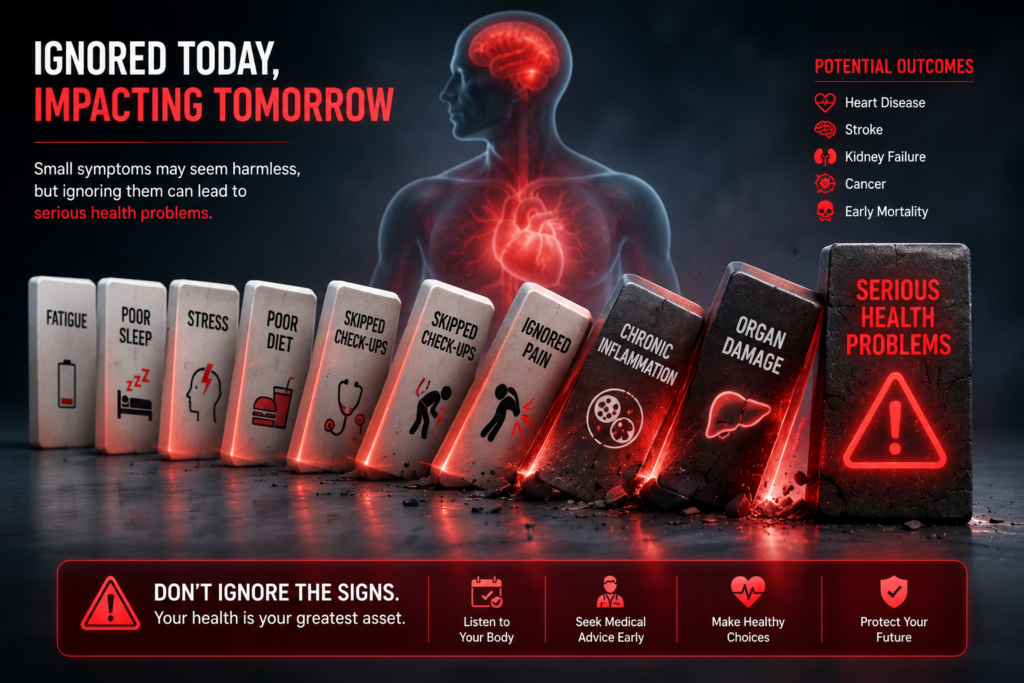
The human body can only compensate for so long. If the early whispers of fatigue, bone ache, and immune suppression are ignored, the deficiency escalates into severe clinical pathology that can cause permanent structural damage.
Rickets in Children
In the 19th and early 20th centuries, during the height of the Industrial Revolution, heavy smog blocked out the sun in major cities, leading to an explosive epidemic of a crippling childhood disease called rickets. Today, due to changing lifestyles, rickets is making a tragic comeback.
As outlined by the Mayo Clinic’s comprehensive guide on rickets, a severe and prolonged deficiency in a growing child prevents their developing cartilage from calcifying into hard bone. The bones remain soft and pliable. As the child begins to bear weight and walk, their soft leg bones physically bend under the pressure of gravity, leading to severe bowing of the legs (genu varum) or knock-knees. It also causes thickening of the wrists and ankles, projection of the breastbone (pigeon chest), and irreversible dental defects.
Osteomalacia and Osteoporosis in Adults
In adults, whose growth plates have already fused, severe deficiency leads to a condition called osteomalacia, which translates literally to “soft bones.” The existing bone matrix loses its mineral content, becoming weak and prone to micro-fractures.
Over decades, this chronic demineralization acts as a primary catalyst for osteoporosis, a condition characterized by highly porous, brittle bones. This dramatically increases the risk of catastrophic fractures from minor falls, particularly hip fractures in postmenopausal women, which carry a staggeringly high mortality rate.
Systemic and Chronic Disease Links
Modern medicine is uncovering that the consequences of Vitamin D deficiency extend far beyond the skeleton. Chronic, long-term insufficiency has been strongly correlated with an increased risk of:
- Cardiovascular Disease: Including hypertension (high blood pressure) and an increased risk of heart attacks. The hormone helps regulate the renin-angiotensin system, which controls blood pressure.
- Autoimmune Disorders: The loss of immune modulation increases the risk of the immune system attacking the body’s own tissues, heavily linking low Vitamin D to Multiple Sclerosis (MS), Type 1 Diabetes, and Rheumatoid Arthritis.
- Metabolic Syndrome: Impaired insulin secretion and decreased insulin sensitivity, paving the way for Type 2 Diabetes.
Diagnosis: Decoding Your Blood Test
If you recognize any of the early signs detailed above, the immediate next step is to obtain concrete data. Guessing your levels is a dangerous game, as Vitamin D toxicity (hypervitaminosis D), while rare, is a serious medical condition that causes dangerous calcium buildup in the blood.
To assess your status accurately, you must ask your healthcare provider for a 25-hydroxyvitamin D [25(OH)D] blood test.
Why this specific test? Remember the biological pathway. The active hormone (1,25-dihydroxyvitamin D) has a half-life of only a few hours and fluctuates wildly based on your immediate calcium intake. The storage form, 25(OH)D, has a half-life of roughly 15 to 20 days and serves as an incredibly stable, accurate biomarker of your body’s overall systemic reserve.
While different medical societies debate the exact optimal numbers, the general consensus provided by major endocrinology associations is outlined below.
Table 2: Deciphering Your Blood Test: 25-Hydroxyvitamin D [25(OH)D] Levels
| Clinical Status | Serum Level (ng/mL) | Serum Level (nmol/L) | Health Implications |
| Deficient | Less than 20 ng/mL | Less than 50 nmol/L | High risk for osteomalacia, rickets, secondary hyperparathyroidism, and severe symptomatic manifestations. |
| Insufficient | 20 to 29 ng/mL | 50 to 74 nmol/L | Suboptimal for peak bone and overall health. Early signs like fatigue, frequent illness, and mild bone ache frequently occur. |
| Sufficient / Optimal | 30 to 50 ng/mL | 75 to 125 nmol/L | The gold standard. Maximizes intestinal calcium absorption, immune modulation, and bone density maintenance. |
| High Normal | 50 to 100 ng/mL | 125 to 250 nmol/L | Generally safe, often achieved by regular, safe sun exposure or managed supplementation. |
| Toxic | Over 150 ng/mL | Over 375 nmol/L | Dangerous. Risk of hypercalcemia (high blood calcium), leading to kidney stones, vascular calcification, and cardiac arrhythmias. |
(Note: To convert ng/mL to nmol/L, multiply by 2.5)
Reclaiming Your Health: Prevention and Treatment Strategies

Correcting a Vitamin D deficiency is a highly rewarding endeavor. Unlike complex chronic diseases, the treatment is straightforward, highly effective, and deeply rooted in our biology. Restoring your levels requires a strategic, multi-pronged approach involving sensible sun exposure, dietary fortification, and targeted supplementation.
1. Strategic and Sensible Sun Exposure
We must fundamentally re-evaluate our relationship with the sun. Total avoidance is biologically detrimental. The goal is “sensible exposure”—getting enough UVB radiation to synthesize the hormone before the skin begins to burn or sustain DNA damage.
For a person with light to medium skin tone living in a sunny climate, exposing the arms, legs, and back (which offer a large surface area) to midday sun for 15 to 20 minutes, two to three times a week, is often sufficient. It is crucial to do this before applying sunscreen. Individuals with darker skin tones may require up to three to five times longer to achieve the same synthesis.
However, remember the geographic limitation: if you live far from the equator and it is the middle of winter, the sun will not save you. You must rely on diet and supplements.
2. Dietary Powerhouses: Natural and Fortified Sources
Nature did not place high amounts of Vitamin D in many foods, precisely because we were meant to make it ourselves. However, Wikipedia’s extensive breakdown of Vitamin D highlights that certain animal-based foods, particularly fatty fish, are excellent sources. In the 1930s, governments also began fortifying certain staple foods to combat childhood rickets.
Table 3: Dietary Sources of Vitamin D
| Food Source | Approximate Amount (IU) | Bioavailability & Notes |
| Cod Liver Oil | ~1,360 IU per tablespoon | The historical cure for rickets. Highly potent, but very high in Vitamin A; use cautiously. |
| Wild-Caught Salmon | ~600 to 1000 IU per 3.5 oz | Wild salmon contains significantly more Vitamin D than farmed salmon due to their diverse ocean diet. |
| Canned Sardines/Mackerel | ~200 to 300 IU per 3.5 oz | Excellent, budget-friendly sources that also provide calcium from the edible bones. |
| Egg Yolks | ~40 to 50 IU per large yolk | The vitamin is exclusively in the yolk. Pasture-raised chickens produce eggs with much higher levels. |
| Fortified Whole Milk | ~115 to 130 IU per cup | A staple fortification designed to prevent childhood bone disease. |
| UV-Exposed Mushrooms | Variable (up to 1000 IU) | The only plant-based source. Mushrooms produce Vitamin D2 when exposed to UV light. |
3. Targeted Clinical Supplementation
For the vast majority of people—especially those living in northern latitudes, office workers, and the elderly—diet and sunlight are simply not enough to reverse a true deficiency. Supplementation is non-negotiable.
When choosing a supplement, you will encounter two forms:
- Vitamin D2 (Ergocalciferol): Derived from yeast and fungi. Often found in prescription mega-doses.
- Vitamin D3 (Cholecalciferol): Derived from lanolin (sheep’s wool) or lichen. This is the exact identical molecule that your human skin produces.
Clinical research overwhelmingly demonstrates that Vitamin D3 is vastly superior to D2 at raising and maintaining serum 25(OH)D levels in the human body.
Dosage Guidelines:
Always follow the guidance of your healthcare provider, as dosages must be tailored to your specific blood test results. If you are clinically deficient (below 20 ng/mL), a doctor will often prescribe a heavy loading dose—sometimes 50,000 IU taken once a week for eight weeks—to rapidly refill your body’s empty reservoirs.
For daily maintenance, the World Health Organization and other major endocrine societies generally recommend:
- Infants (0-12 months): 400 IU daily.
- Children and Adults (1 to 70 years): 600 to 1,000 IU daily.
- Seniors (Over 70 years): 800 to 2,000 IU daily (to compensate for reduced skin synthesis).
- Note: Obese adults may require 2 to 3 times the standard dosage to achieve the same blood levels.
The Crucial Co-Factors: Magnesium and Vitamin K2
Vitamin D does not operate in a vacuum; it requires a physiological team.
- Magnesium: Every single enzyme responsible for metabolizing Vitamin D in the liver and kidneys is magnesium-dependent. If you are deeply deficient in magnesium (which is common in modern diets), taking massive doses of Vitamin D will be largely ineffective because your body cannot activate it.
- Vitamin K2: While Vitamin D opens the gates in the gut to let calcium into your blood, Vitamin K2 acts as the traffic cop. It activates proteins (like osteocalcin) that direct the calcium into the bones and teeth, preventing it from calcifying dangerously inside your soft tissues and arteries.
When to See a Doctor
It is entirely possible to navigate minor nutritional gaps on your own, but Vitamin D deficiency often requires clinical intervention. You should schedule an appointment with your healthcare professional immediately if you experience:
- Deep, unremitting bone pain that does not respond to rest.
- Profound muscle weakness that makes daily tasks difficult.
- Skeletal deformities in young children (such as delayed walking or bowing of the legs).
- Chronic fatigue that severely impacts your quality of life.
Do not attempt to self-diagnose or self-treat with massive mega-doses of over-the-counter supplements. Request the 25(OH)D blood test, insist on seeing your actual numbers, and work collaboratively with your physician to create a safe, effective repletion protocol.
Conclusion: Listening to the Whispers
Our bodies possess an incredible, innate intelligence. They do not fail us quietly. Long before a bone fractures or a severe chronic illness sets in, the body issues warnings. The profound fatigue that glues you to the bed, the dull ache in your lower back, the mood that sinks with the winter sun, and the immune system that constantly falters—these are not character flaws or inevitable signs of aging. They are physiological distress signals.
Vitamin D is a magnificent, powerful hormone that touches the blueprint of human health at a genetic level. By understanding its profound importance, recognizing the early signs of its absence, and taking proactive, evidence-based steps to restore it, you are not merely treating a deficiency. You are reigniting the very cellular engines of your vitality. Listen to the early whispers of your body, step into the light, and reclaim your foundational health.

Emily Carter is a Senior Health Researcher and Supplement Analyst at the Nutrasfit Research Team, based in Austin, Texas. She specializes in evaluating dietary supplements through ingredient analysis, scientific research, and real-world effectiveness.
With a background in nutrition science, Emily focuses on breaking down complex health information into simple, practical insights that readers can trust. Her work is centered on helping individuals make informed decisions and choose supplements that are safe, effective, and aligned with their health goals.