
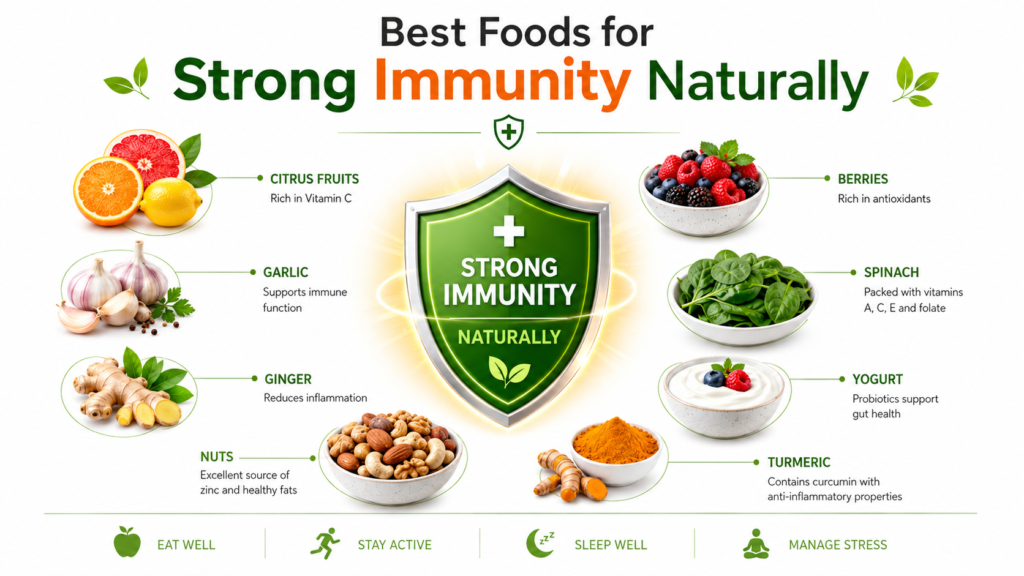
Your immune system works every day to protect your body from harmful bacteria, viruses, toxins, inflammation, and cellular stress. Many people search for “immune-boosting foods,” but a more accurate way to think about immunity is this: food does not magically make your immune system stronger overnight. Instead, the right foods provide the vitamins, minerals, antioxidants, protein, fiber, and healthy fats your immune cells need to work properly.
A strong immune system depends on balance. If it is too weak, your body may struggle to fight infections. If it is overactive, it may contribute to chronic inflammation or immune-related problems. This is why nutrition should focus on immune support, not extreme “boosting.”
According to the Wikipedia page on the immune system, immunity includes many layers of defense, including physical barriers like skin, immune cells, antibodies, and inflammatory responses. Food supports many of these systems indirectly by helping the body repair tissues, produce immune cells, regulate inflammation, and maintain gut health.
This guide explains the best foods for strong immunity naturally, why they matter, how to eat them, and what scientific research says about immune-supportive nutrition.
Understanding Immunity: Why Food Matters
The immune system is not one single organ. It is a network that includes white blood cells, the lymphatic system, bone marrow, spleen, thymus, antibodies, skin, mucous membranes, and the gut microbiome. Your digestive system plays a major role because a large portion of immune activity is connected to the gut.
When your diet lacks important nutrients, your body may not produce immune cells efficiently. For example, vitamin C supports white blood cell function, zinc helps immune cell development, vitamin D influences immune regulation, and protein provides amino acids needed to build antibodies and repair tissues.
The Harvard T.H. Chan School of Public Health explains that healthy immune function depends on an overall dietary pattern, not just one “superfood.” A colorful diet rich in fruits, vegetables, whole grains, legumes, nuts, seeds, and quality proteins is more effective than relying on one food or supplement.
Key Nutrients Needed for Natural Immune Support
Before discussing the best foods, it helps to understand the nutrients that support immunity.
| Nutrient | Role in Immunity | Best Food Sources |
| Vitamin C | Supports white blood cells, antioxidant defense, and skin barrier health | Citrus fruits, berries, kiwi, bell peppers, broccoli |
| Vitamin D | Helps regulate immune response and inflammation | Sunlight, fatty fish, egg yolks, fortified foods |
| Zinc | Supports immune cell growth, wound healing, and defense against infections | Pumpkin seeds, seafood, legumes, nuts, meat |
| Vitamin A | Supports skin, mucous membranes, and immune defense | Sweet potatoes, carrots, spinach, eggs |
| Vitamin E | Antioxidant that protects immune cells from damage | Almonds, sunflower seeds, avocado |
| Selenium | Supports antioxidant enzymes and immune balance | Brazil nuts, fish, eggs, whole grains |
| Protein | Builds antibodies, enzymes, and immune cells | Eggs, fish, lentils, beans, yogurt, lean meats |
| Omega-3 fatty acids | Help regulate inflammation | Fatty fish, chia seeds, flaxseeds, walnuts |
| Fiber | Feeds good gut bacteria and supports gut immunity | Oats, beans, fruits, vegetables, whole grains |
| Probiotics | Support gut microbiome balance | Yogurt, kefir, fermented foods |
The NIH Office of Dietary Supplements provides detailed information about vitamins and minerals such as vitamin C, vitamin D, and zinc, including their role in human health.
1. Citrus Fruits: Classic Vitamin C Support
Citrus fruits are among the most popular foods for immune health because they are rich in vitamin C. Oranges, lemons, grapefruits, limes, and sweet limes provide antioxidants that help protect cells from oxidative stress.
Vitamin C supports the function of neutrophils, lymphocytes, and other immune cells. It also helps maintain the skin barrier, which is the body’s first line of defense against harmful microorganisms.
Best Citrus Fruits for Immunity
| Citrus Fruit | Key Benefit | How to Use |
| Orange | Rich in vitamin C and hydration | Eat whole or add to fruit bowls |
| Lemon | Supports hydration and flavor | Add to warm water, salads, soups |
| Grapefruit | Contains vitamin C and antioxidants | Eat fresh, but check medication interactions |
| Sweet lime | Gentle and hydrating | Drink fresh juice without added sugar |
| Lime | Adds vitamin C and digestive freshness | Use in dals, salads, and chutneys |
A common mistake is drinking packaged citrus juice with added sugar. Whole fruits are better because they contain fiber, water, and natural antioxidants.
2. Berries: Antioxidant-Rich Foods for Immune Protection
Berries are powerful immune-supportive foods because they contain vitamin C, polyphenols, anthocyanins, and fiber. These compounds help reduce oxidative stress, which can damage immune cells over time.
Blueberries, strawberries, raspberries, blackberries, and Indian gooseberry are excellent choices. Amla, also known as Indian gooseberry, is especially rich in vitamin C and has been traditionally used in Indian wellness practices.
Why Berries Are Helpful
Berries support immunity in three major ways. First, they provide antioxidants that protect cells. Second, they contain fiber that supports the gut microbiome. Third, they offer natural plant compounds that may help regulate inflammation.
You can add berries to oatmeal, yogurt, smoothies, or salads. If fresh berries are expensive, frozen berries without added sugar are also useful.
3. Leafy Green Vegetables: Daily Micronutrient Support
Leafy greens such as spinach, kale, mustard greens, fenugreek leaves, coriander, amaranth, and lettuce are packed with vitamins, minerals, and antioxidants. They provide vitamin A, vitamin C, folate, magnesium, and plant compounds that support overall immune health.
Vitamin A is especially important because it helps maintain the health of mucous membranes in the nose, throat, lungs, and gut. These membranes act as barriers against pathogens.
Best Leafy Greens
| Leafy Green | Main Nutrients | Immune Benefit |
| Spinach | Folate, vitamin A, vitamin C, iron | Supports immune cell formation |
| Kale | Vitamin C, vitamin K, antioxidants | Helps protect cells |
| Methi leaves | Iron, fiber, phytonutrients | Supports digestion and nutrition |
| Coriander | Antioxidants, vitamin C | Adds freshness and micronutrients |
| Amaranth leaves | Iron, calcium, magnesium | Supports overall wellness |
Try to include at least one serving of leafy greens daily. Light cooking may improve digestibility, but overcooking can reduce vitamin C content.
4. Bell Peppers: More Vitamin C Than Many Fruits
Bell peppers, especially red and yellow varieties, are excellent sources of vitamin C. They also contain beta-carotene, which the body can convert into vitamin A.
Red bell peppers can be added to salads, stir-fries, wraps, omelets, sandwiches, and soups. They are low in calories but high in antioxidants, making them a smart food for people trying to improve immunity and maintain weight.
A simple immune-friendly plate can include dal, brown rice, sautéed vegetables, and a side salad with bell peppers and lemon.
5. Garlic and Onion: Natural Sulfur Compounds
Garlic and onion are commonly used in home cooking and may support immune health through sulfur-containing compounds. Garlic contains allicin, which is formed when garlic is chopped or crushed.
Garlic and onion are not a replacement for medicine, but they can be part of a healthy diet. They also support flavor, which helps people reduce excess salt, sugar, or processed sauces.
How to Use Garlic for Better Benefits
Crush or chop garlic and let it sit for 5–10 minutes before cooking. This may help allicin formation. Add garlic to soups, vegetables, dals, curries, chutneys, and roasted foods.
People with acid reflux, digestive sensitivity, or those taking blood-thinning medication should use garlic carefully and consult a healthcare professional if needed.
6. Yogurt and Fermented Foods: Gut Health and Immunity
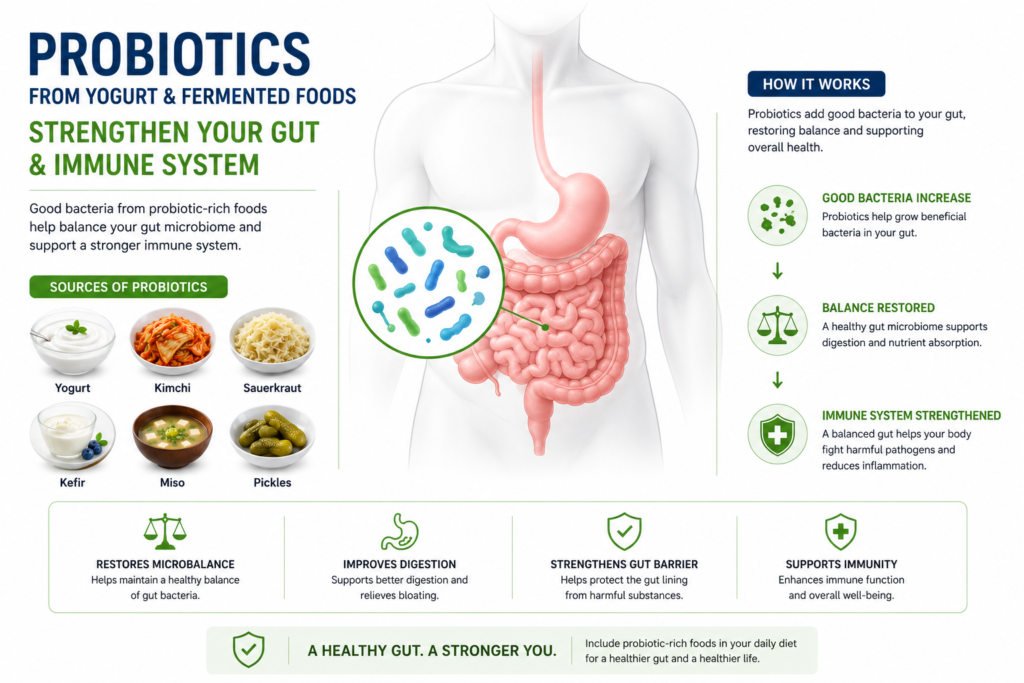
A healthy gut is closely connected to a healthy immune system. The gut microbiome contains trillions of bacteria that help digest food, produce beneficial compounds, regulate inflammation, and communicate with immune cells.
Yogurt with live cultures, kefir, fermented vegetables, idli, dosa batter, kanji, kimchi, sauerkraut, and homemade curd may support gut health.
The Wikipedia page on gut microbiota explains how gut microbes interact with metabolism and immune function.
Choosing Better Yogurt
Choose plain, unsweetened yogurt or curd. Many flavored yogurts contain added sugar, which may not be ideal for long-term health. You can add fresh fruit, nuts, seeds, or cinnamon for natural flavor.
| Fermented Food | Benefit | Tip |
| Plain curd/yogurt | Provides probiotics and protein | Choose unsweetened |
| Kefir | Contains diverse bacteria | Good for smoothies |
| Idli/dosa | Fermented batter improves digestibility | Pair with sambar |
| Kanji | Traditional fermented drink | Use homemade version |
| Kimchi/sauerkraut | Fermented vegetables | Watch sodium content |
7. Nuts and Seeds: Zinc, Vitamin E, and Healthy Fats
Nuts and seeds are small but nutrient-dense foods. Almonds, walnuts, pumpkin seeds, sunflower seeds, chia seeds, flaxseeds, and sesame seeds provide vitamin E, zinc, selenium, magnesium, fiber, and healthy fats.
Vitamin E works as an antioxidant and helps protect immune cells from oxidative damage. Zinc supports immune cell development and wound healing.
Pumpkin seeds are especially useful because they provide zinc and magnesium. Sunflower seeds provide vitamin E and selenium. Walnuts, chia seeds, and flaxseeds provide omega-3 fats in plant form.
Best Daily Mix
A simple immune-supportive seed and nut mix can include:
| Food | Suggested Amount | Benefit |
| Almonds | 5–8 pieces | Vitamin E |
| Walnuts | 1–2 pieces | Omega-3 fats |
| Pumpkin seeds | 1 tablespoon | Zinc |
| Sunflower seeds | 1 tablespoon | Vitamin E and selenium |
| Flax/chia seeds | 1 tablespoon | Fiber and omega-3 |
Avoid overeating nuts because they are calorie-dense. A small handful daily is enough for most people.
8. Protein-Rich Foods: Building Blocks of Immunity
Protein is essential for immune health because antibodies, enzymes, hormones, and immune cells depend on amino acids. Low protein intake may weaken tissue repair, reduce muscle strength, and affect immune function.
Good protein sources include eggs, fish, chicken, paneer, tofu, lentils, chickpeas, beans, peas, Greek yogurt, milk, nuts, and seeds.
For vegetarians, combining cereals and pulses is helpful. Examples include dal with rice, roti with chana, idli with sambar, khichdi, rajma rice, and hummus with whole-grain bread.
Protein Sources for Different Diets
| Diet Type | Best Protein Foods |
| Vegetarian | Lentils, beans, chickpeas, paneer, curd, tofu, soy chunks |
| Non-vegetarian | Eggs, fish, chicken, lean meat |
| Vegan | Tofu, tempeh, lentils, beans, nuts, seeds |
| Indian diet | Dal, rajma, chole, curd, paneer, sprouts, khichdi |
Protein should be spread across the day instead of eating very little during breakfast and too much at dinner.
9. Fatty Fish and Omega-3 Foods: Inflammation Balance
Fatty fish such as salmon, sardines, mackerel, tuna, and trout contain omega-3 fatty acids. Omega-3s help regulate inflammation, which is important because chronic inflammation can disturb immune balance.
For vegetarians, chia seeds, flaxseeds, walnuts, and hemp seeds provide alpha-linolenic acid, a plant-based omega-3. However, conversion to active omega-3 forms is limited, so variety matters.
The American Heart Association recommends fish as part of a heart-healthy eating pattern. While this is mainly heart-focused, reducing inflammation and supporting overall metabolic health also benefits immune resilience.
10. Mushrooms: Vitamin D and Immune-Supportive Compounds
Mushrooms are unique because some varieties can provide vitamin D when exposed to ultraviolet light. They also contain beta-glucans, which are natural fibers studied for immune-supportive effects.
Common mushrooms such as button, oyster, shiitake, and maitake can be included in soups, stir-fries, omelets, noodles, rice dishes, and curries.
Vitamin D is one of the most important nutrients for immune regulation. Low vitamin D levels are common in many people, especially those with limited sunlight exposure. Food sources help, but sunlight and medical testing may be needed in some cases.
The NIH fact sheet on vitamin D gives useful information about vitamin D sources, deficiency, and daily requirements.
11. Whole Grains: Fiber, B Vitamins, and Energy Stability
Whole grains provide fiber, B vitamins, minerals, and slow-digesting carbohydrates. Unlike refined grains, whole grains support stable energy levels and gut bacteria.
Good options include oats, brown rice, whole wheat, barley, quinoa, millets, buckwheat, and whole-grain bread. Oats are especially useful because they contain beta-glucan fiber, which supports gut and metabolic health.
Best Whole Grains for Immune-Friendly Meals
| Whole Grain | Benefit | Meal Idea |
| Oats | Fiber and beta-glucan | Oats with fruit and nuts |
| Brown rice | Energy and minerals | Brown rice with dal |
| Millets | Fiber and magnesium | Millet khichdi |
| Barley | Soluble fiber | Barley soup |
| Whole wheat | B vitamins and fiber | Roti with vegetables |
Whole grains work best when paired with protein and vegetables. For example, oats with yogurt and berries is better than plain sweetened cereal.
12. Legumes and Beans: Fiber + Plant Protein
Legumes are among the best natural foods for long-term immune health because they provide plant protein, zinc, iron, folate, magnesium, and gut-friendly fiber.
Examples include lentils, chickpeas, kidney beans, black beans, soybeans, peas, and sprouts.
Fiber from legumes feeds beneficial gut bacteria. These bacteria produce short-chain fatty acids, which may help regulate inflammation and support gut barrier function.
To reduce gas or bloating, soak beans before cooking, cook them properly, and start with smaller portions.
13. Colorful Vegetables: Antioxidant Variety
A strong immune-supportive diet should include different colors of vegetables. Each color represents different plant compounds.
| Color | Foods | Main Compounds |
| Orange | Carrot, pumpkin, sweet potato | Beta-carotene |
| Green | Spinach, broccoli, peas | Folate, chlorophyll, vitamin C |
| Red | Tomato, red pepper, beetroot | Lycopene, anthocyanins |
| Purple | Purple cabbage, eggplant | Anthocyanins |
| White | Garlic, onion, cauliflower | Sulfur compounds |
The goal is not perfection. A simple rule is to eat at least three colors of vegetables daily.
14. Green Tea and Herbal Drinks: Antioxidant Support
Green tea contains catechins, including EGCG, which are antioxidants. Herbal drinks such as ginger tea, tulsi tea, turmeric milk, and lemon water may also support hydration and provide plant compounds.
However, tea should not replace meals, sleep, hydration, or medical care. Also, too much caffeine may disturb sleep, and poor sleep can weaken immune function.
A good daily option is one cup of green tea or herbal tea without excess sugar.
15. Water-Rich Foods and Hydration
Hydration is often ignored in immune health discussions. Water helps transport nutrients, supports lymph flow, maintains mucous membranes, and helps the body remove waste.
Water-rich foods include cucumber, watermelon, oranges, soups, coconut water, tomatoes, and leafy vegetables.
Dehydration may cause fatigue, headaches, dry mouth, constipation, and reduced physical performance. For better immunity, hydration should be consistent throughout the day.
Best Immunity-Supporting Food Plate
A balanced immune-supportive plate should include protein, fiber, healthy fats, and colorful plant foods.
| Plate Section | What to Add | Example |
| ½ plate | Vegetables and salad | Spinach, carrot, cucumber, bell pepper |
| ¼ plate | Protein | Dal, beans, eggs, fish, tofu, paneer |
| ¼ plate | Whole grains | Brown rice, roti, millet, oats |
| Small portion | Healthy fats | Nuts, seeds, olive oil, avocado |
| Side | Probiotic food | Curd, kefir, fermented food |
This type of plate supports immunity, digestion, blood sugar balance, and long-term energy.
7-Day Immunity-Friendly Meal Plan
| Day | Breakfast | Lunch | Dinner | Snack |
| Monday | Oats with yogurt, berries, chia seeds | Dal, brown rice, salad | Vegetable soup with paneer/tofu | Orange + almonds |
| Tuesday | Besan chilla with curd | Rajma rice with salad | Roti, mixed vegetables, dal | Pumpkin seeds |
| Wednesday | Egg/tofu scramble with vegetables | Chickpea salad bowl | Khichdi with ghee and curd | Guava |
| Thursday | Smoothie with banana, yogurt, flaxseed | Millet roti, sabzi, dal | Fish/chana curry with rice | Green tea + walnuts |
| Friday | Poha with peanuts and lemon | Quinoa pulao with vegetables | Lentil soup with salad | Amla or kiwi |
| Saturday | Idli with sambar | Paneer/tofu bowl with vegetables | Roti, spinach dal | Sunflower seeds |
| Sunday | Sprouts bowl with lemon | Vegetable khichdi with curd | Soup, salad, protein | Fruit bowl |
This plan can be adjusted based on taste, culture, budget, and dietary preference.
Foods That May Weaken Immune Health When Overused

Just as some foods support immunity, others may harm long-term immune balance when consumed too often.
1. Sugary Foods and Drinks
High sugar intake may contribute to inflammation, blood sugar spikes, weight gain, and poor gut health. Packaged juices, soft drinks, candies, cakes, and sweetened cereals should be limited.
2. Highly Processed Foods
Processed snacks, instant noodles, fried foods, and packaged fast foods are often high in refined oils, sodium, preservatives, and low-quality carbohydrates.
3. Excess Alcohol
Alcohol can affect sleep, liver health, gut bacteria, and immune response. Frequent heavy drinking is harmful for overall immunity.
4. Very Low-Calorie Diets
Crash dieting can reduce protein, vitamin, and mineral intake. This may weaken energy, hormones, muscle mass, and immune function.
5. Too Much Fried Food
Fried foods may increase oxidative stress and inflammation when consumed regularly.
The World Health Organization healthy diet guide recommends limiting free sugars, unhealthy fats, and excess salt while increasing fruits, vegetables, legumes, nuts, and whole grains.
Lifestyle Habits That Work with Immune-Supportive Foods
Food is powerful, but immunity depends on the whole lifestyle.
Sleep
Poor sleep can disturb immune response and increase inflammation. Adults generally need 7–9 hours of quality sleep.
Exercise
Moderate physical activity supports circulation, metabolism, mood, and immune surveillance. Walking, yoga, cycling, strength training, and stretching can all help.
Stress Management
Chronic stress may increase cortisol and affect immune balance. Meditation, breathing exercises, sunlight, journaling, and social connection can help.
Sunlight
Sunlight helps the body produce vitamin D. Safe sunlight exposure depends on skin type, location, season, and time of day.
Hygiene
Good nutrition does not replace hygiene. Handwashing, safe food handling, vaccination, and proper medical care remain important.
Common Myths About Immunity Foods
Myth 1: One Superfood Can Prevent Illness
No single food can prevent all infections. Immunity depends on the total diet and lifestyle.
Myth 2: More Vitamin C Always Means Better Immunity
Vitamin C is important, but very high intake is not always better. Balance is more useful than excess.
Myth 3: Supplements Are Better Than Food
Supplements may help people with deficiencies, but whole foods provide fiber, antioxidants, and many nutrients together.
Myth 4: Spicy Foods Kill Viruses
Spices may contain beneficial compounds, but they do not “kill” viruses inside the body.
Myth 5: Immunity Can Be Boosted Instantly
Immune resilience builds over time through consistent nutrition, sleep, exercise, and stress control.
Practical Daily Checklist for Strong Immunity Naturally
| Daily Habit | Target |
| Fruits | 1–2 servings daily |
| Vegetables | 3+ servings daily |
| Protein | Include in every meal |
| Nuts/seeds | Small handful daily |
| Fermented food | 1 serving if tolerated |
| Water | Drink consistently |
| Whole grains | Choose over refined grains |
| Sleep | 7–9 hours |
| Movement | 30 minutes most days |
| Sugar | Keep limited |
Scientific References and Trusted Sources
- Carr AC, Maggini S. “Vitamin C and Immune Function.” Nutrients. 2017.
https://pubmed.ncbi.nlm.nih.gov/29099763/ - Gombart AF, Pierre A, Maggini S. “A Review of Micronutrients and the Immune System.” Nutrients. 2020.
https://pubmed.ncbi.nlm.nih.gov/31963293/ - Wessels I, Maywald M, Rink L. “Zinc as a Gatekeeper of Immune Function.” Nutrients. 2017.
https://pubmed.ncbi.nlm.nih.gov/28629135/ - Martineau AR et al. “Vitamin D supplementation to prevent acute respiratory tract infections.” BMJ. 2017.
https://pubmed.ncbi.nlm.nih.gov/28202713/ - Harvard T.H. Chan School of Public Health – Nutrition and Immunity
https://www.hsph.harvard.edu/nutritionsource/nutrition-and-immunity/ - NIH Office of Dietary Supplements – Vitamin D Fact Sheet
https://ods.od.nih.gov/factsheets/VitaminD-Consumer/ - WHO – Healthy Diet
https://www.who.int/news-room/fact-sheets/detail/healthy-diet - Wikipedia – Immune System
https://en.wikipedia.org/wiki/Immune_system - Wikipedia – Gut Microbiota
https://en.wikipedia.org/wiki/Gut_microbiota
Conclusion: Eat for Immune Balance, Not Instant “Boosting”
The best foods for strong immunity naturally are not rare or expensive. They are everyday foods like citrus fruits, berries, leafy greens, bell peppers, garlic, yogurt, legumes, nuts, seeds, whole grains, mushrooms, and protein-rich meals.
A strong immune-supportive diet is colorful, balanced, and consistent. It provides vitamin C, vitamin D, zinc, protein, fiber, antioxidants, and healthy fats. More importantly, it supports the gut, reduces nutritional gaps, and helps the body respond better to daily stress.
For best results, focus on the full lifestyle: eat whole foods, sleep well, stay hydrated, move daily, manage stress, and avoid overuse of sugar and processed foods. Natural immunity is built through daily habits, not quick fixes.

Emily Carter is a Senior Health Researcher and Supplement Analyst at the Nutrasfit Research Team, based in Austin, Texas. She specializes in evaluating dietary supplements through ingredient analysis, scientific research, and real-world effectiveness.
With a background in nutrition science, Emily focuses on breaking down complex health information into simple, practical insights that readers can trust. Her work is centered on helping individuals make informed decisions and choose supplements that are safe, effective, and aligned with their health goals.