
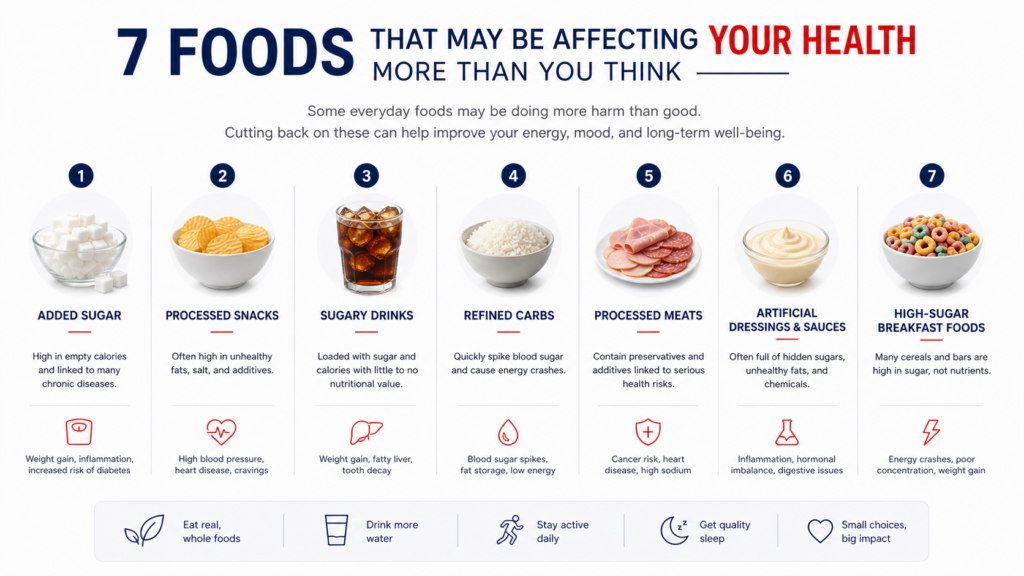
Navigating the modern food landscape can feel like walking through a minefield of conflicting information. Grocery store shelves are lined with brightly colored packages touting claims like “all-natural,” “fat-free,” “plant-based,” and “low-glycemic.” With so many products aggressively marketed as health-conscious choices, it is incredibly easy to base our daily food habits on clever marketing rather than solid nutritional science.
However, nutritional science is a dynamic and rapidly evolving field. Thanks to advanced research into the gut microbiome, cellular inflammation, and long-term metabolic health, some foods that were once heralded as healthy—or at least harmless—are now coming under intense scientific scrutiny. Many everyday staples possess a “health halo”—a psychological cognitive bias where a single positive claim (like “sugar-free”) causes us to overlook other severely negative nutritional aspects.
Over time, the frequent consumption of these misunderstood foods can subtly erode your health, contributing to systemic inflammation, disrupting your gut flora, and increasing the risk of conditions like metabolic syndrome—a cluster of conditions that increase your risk of heart disease, stroke, and type 2 diabetes.
If you are trying to optimize your energy levels, manage your weight, or safeguard your long-term wellness, evaluating your pantry is the first step. Here is a deep, comprehensive look into 7 foods that may be affecting your health much more than you think, the science behind why they act the way they do in the human body, and practical, whole-food alternatives you can choose instead.
1. Agave Nectar: The Ultimate Fructose Trap
Marketed for years as a natural, low-glycemic alternative to table sugar, agave nectar has found a permanent home in wellness recipes, vegan baked goods, and “better-for-you” snacks. Because it is derived from the sap of the agave plant—the same succulent used to produce tequila—it carries a strong “natural” appeal. Its primary selling point is its low glycemic index (GI), typically ranging from 10 to 27, which is drastically lower than regular table sugar (sucrose) at around 65. But looking beneath the surface reveals a complicated metabolic story.
The Biological Mechanism To understand why agave is problematic, we must break down the difference between glucose and fructose. Table sugar is comprised of 50% glucose and 50% fructose. Agave nectar, depending on how it is enzymatically processed, contains a staggering 70% to 90% fructose.
+1
When you consume glucose, it enters your bloodstream and is distributed throughout your body to be used as immediate energy by your muscles and brain. Fructose, however, is almost entirely metabolized by the liver. When you consume a heavy load of liquid fructose (such as a heavy pour of agave syrup in your morning oatmeal), it floods the liver. The liver becomes overworked and initiates a process called de novo lipogenesis, converting the excess fructose directly into fat.
+1
The Health Impact While agave does not cause a rapid, acute spike in blood glucose—which is why it boasts a low GI—its chronic consumption can be far more insidious. Over time, high fructose intake is strongly associated with elevated triglycerides, visceral fat accumulation (the dangerous fat that wraps around your organs), and Metabolic Dysfunction-Associated Steatotic Liver Disease (MASLD). Paradoxically, while diabetics often use agave to avoid blood sugar spikes, the resulting fat accumulation in the liver eventually worsens insulin sensitivity.
+1
What to Choose Instead If you need a sweetener, small amounts of raw honey or pure maple syrup are generally better options. While they still contain sugar, their fructose content is lower, and they offer trace minerals and antioxidants. Better yet, try sweetening foods with whole fruit (like mashed bananas or dates), or use zero-calorie, non-nutritive sweeteners like monk fruit or allulose in moderation.
Table 1: Comparing Common Sweeteners
| Sweetener | Fructose Content | Glycemic Index (GI) | Calories per Tbsp | Notes |
| Agave Nectar | 70% – 90% | 10 – 27 | ~60 | Extremely high fructose; heavy liver load. |
| Table Sugar (Sucrose) | 50% | 65 | ~48 | Rapid blood sugar spike; balanced glucose/fructose. |
| Raw Honey | ~40% | 50 – 58 | ~64 | Contains trace enzymes and antioxidants. |
| Pure Maple Syrup | ~35% | 54 | ~52 | Lower fructose; contains trace minerals like zinc. |
Export to Sheets
2. Artificial Sweeteners: Disrupting the Microbiome
The promise of artificial sweeteners is alluring: all the sweet taste you crave with none of the caloric consequences. For decades, non-nutritive sweeteners (NNS) like aspartame, sucralose (Splenda), and saccharin (Sweet’N Low) have been the go-to solution for weight management. However, a growing body of evidence suggests that “zero calories” does not mean “zero metabolic impact.”
The Biological Mechanism Recent investigations have increasingly focused on the gut microbiome—the trillions of bacteria residing in your digestive tract that regulate everything from immunity to mood to weight. When you consume artificial sweeteners, they pass through your digestive system largely unabsorbed. However, the bacteria in your gut do interact with them.
+1
A landmark 2026 study published in Frontiers in Nutrition utilizing animal models demonstrated that sweeteners like sucralose and stevia negatively alter the gut microbiome and gene expression. The study found that regular consumption led to a reduction in short-chain fatty acids (SCFAs), which are crucial anti-inflammatory metabolites produced by healthy gut bacteria. This disruption is a state known as dysbiosis.
Furthermore, the study revealed potential epigenetic effects: the metabolic consequences (such as impaired glucose tolerance) were capable of being transmitted from parents to offspring. While human studies are still evolving, the data strongly suggests that artificial sweeteners can perturb the delicate balance of our internal ecosystem.
+1
The Health Impact Beyond the gut, artificial sweeteners can confuse the brain. The sweet taste triggers the “cephalic phase insulin response”—your brain tastes something sweet and signals the pancreas to release insulin in anticipation of sugar. When the sugar never arrives, this biological mismatch can lead to increased hunger, sugar cravings, and overeating later in the day. Despite their widespread use over the last 40 years, the prevalence of obesity and type 2 diabetes has only continued to rise.
+1
What to Choose Instead Transitioning away from intense sweetness is the healthiest long-term strategy. Your tastebuds can adapt to less sweet foods in a matter of weeks. If you enjoy flavored beverages, try sparkling water with a splash of fresh lemon, lime, or cucumber. Unsweetened herbal teas, both hot and iced, are excellent, hydrating alternatives that actually support, rather than hinder, gut health.
3. Ultra-Processed Meats: The Hidden Carcinogens
Meat has been a staple of the human diet for millennia, providing essential, highly bioavailable protein, iron, and B vitamins. However, the meat our ancestors hunted bears little chemical resemblance to the ultra-processed meats neatly packaged in today’s supermarkets. We are talking about bacon, hot dogs, packaged deli meats, salami, and industrially produced sausages.
The Biological Mechanism The danger of ultra-processed meat lies not in the meat itself, but in the processing. To extend shelf life, enhance flavor, and maintain that appealing pink color, manufacturers cure these meats with synthetic nitrates and nitrites. When these compounds are cooked at high temperatures (like frying bacon in a pan) or exposed to the acidic environment of the human stomach, they convert into nitrosamines. Nitrosamines are known, potent chemical carcinogens.
Additionally, the high-heat cooking of processed meats generates Advanced Glycation End products (AGEs) and Heterocyclic Amines (HCAs), both of which drive oxidative stress and cellular aging.
The Health Impact The World Health Organization (WHO) has unequivocally classified processed meats as Group 1 carcinogens, placing them in the same categorization as tobacco smoke and asbestos concerning their proven ability to cause cancer—specifically colorectal cancer.
Furthermore, recent comprehensive reviews of ultra-processed foods (UPFs) published in 2026 highlight that not all UPFs carry the same level of risk. While items like fortified whole-grain cereals might be neutral or slightly beneficial, ultra-processed meats consistently show the strongest positive associations with adverse health outcomes, including an increased incidence of type 2 diabetes, hypertension, and cardiovascular mortality.
What to Choose Instead Focus on single-ingredient, unprocessed protein sources. If you enjoy poultry, bake or grill fresh chicken or turkey breasts. If you love red meat, opt for fresh, grass-fed cuts cooked at moderate temperatures, and pair them with antioxidant-rich vegetables to mitigate oxidative stress. For sandwich fillings, try using leftover home-roasted meats or canned wild-caught salmon instead of pre-packaged deli slices.
4. Industrial Seed Oils: Context is Everything
If you spend any time in modern health and wellness spaces, you have likely encountered the fierce, polarizing debate surrounding industrial seed oils—such as soybean, corn, sunflower, safflower, and canola oil. One faction labels them as “toxic sludge” driving chronic inflammation, while authoritative health bodies often recommend them as heart-healthy alternatives to saturated fats like butter and lard. The scientific consensus reveals a truth that is highly nuanced and heavily dependent on context.
+1
The Biological Mechanism Seed oils are rich in polyunsaturated fatty acids (PUFAs), specifically Omega-6 fatty acids (like linoleic acid). Both Omega-3 and Omega-6 fats are essential, meaning the human body cannot produce them and must acquire them from food. Historically, humans evolved eating an Omega-6 to Omega-3 ratio of roughly 4:1. Today, largely due to the pervasive use of soybean and corn oils in processed foods, the standard Western diet ratio has skewed to an astonishing 15:1 or even 20:1.
+1
While clinical studies show that linoleic acid itself is not inherently inflammatory in controlled environments, the sheer volume consumed creates a potential signaling imbalance in the body’s eicosanoid pathways.
More importantly, the real danger is oxidation. Seed oils are highly unstable when exposed to heat, light, and oxygen. In industrial settings, they undergo a rigorous process of refining, bleaching, and deodorizing (RBD) involving high heat and chemical solvents like hexane. When these oils are repeatedly reheated—such as in restaurant deep fryers—they break down into toxic byproducts like aldehydes, which drastically increase oxidative stress and systemic inflammation when ingested.
+1
The Health Impact The problem is not necessarily using a tablespoon of high-quality canola oil to sauté vegetables at home. The problem is that seed oils are the primary fat source in the ultra-processed food supply. They are found in almost every packaged snack, fast-food meal, and commercial baked good. When you remove oxidized seed oils from your diet, you are usually eliminating ultra-processed junk food, which naturally results in dramatic health improvements.
What to Choose Instead For high-heat cooking, opt for fats with higher oxidative stability. Avocado oil, ghee, and coconut oil are excellent choices. For low-heat cooking, dressings, and finishing, extra virgin olive oil (EVOO) is the gold standard, backed by decades of research demonstrating its cardiovascular and anti-inflammatory benefits.
Table 2: Cooking Fats and Oxidative Stability
| Oil / Fat Type | Primary Fat Profile | Heat Stability | Best Culinary Use |
| Extra Virgin Olive Oil | Monounsaturated | Moderate | Sautéing, dressings, finishing. |
| Avocado Oil | Monounsaturated | Very High | Searing, roasting, high-heat cooking. |
| Butter / Ghee | Saturated | Moderate/High | Baking, pan-frying, flavor enhancement. |
| Industrial Seed Oils (Soy/Corn) | Polyunsaturated (Omega-6) | Low (prone to oxidation) | Often used in commercial deep-frying (Proceed with caution). |
Export to Sheets
5. Commercial Fruit Juices: Sugar Without the Matrix
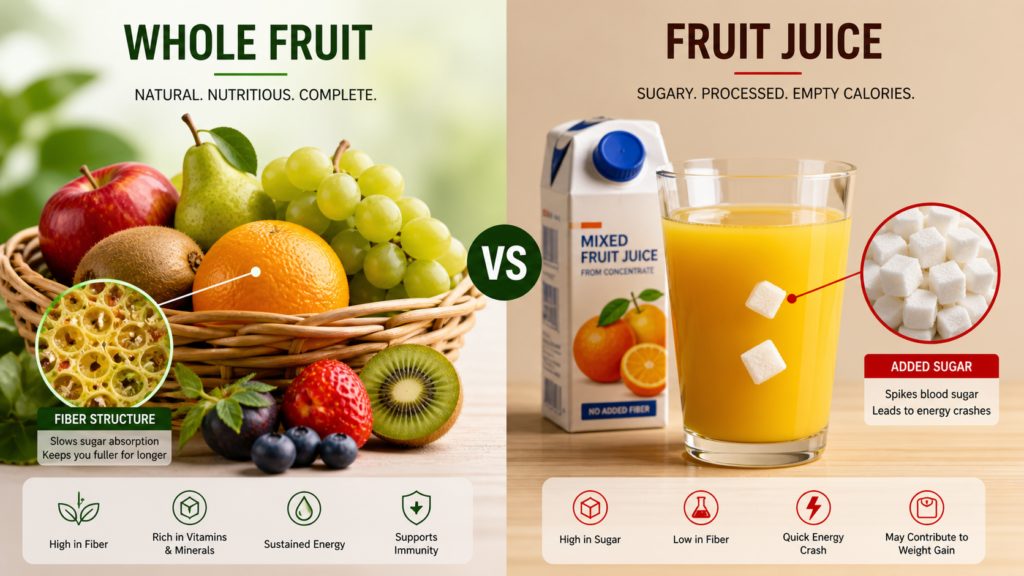
For generations, a large glass of orange or apple juice has been synonymous with a healthy, balanced breakfast. It is made directly from fruit, it contains vitamin C, and it is marketed as a refreshing way to start the day. Unfortunately, the mechanical process of turning whole fruit into commercial juice strips away one of the fruit’s most crucial and protective components: fiber.
The Biological Mechanism When you eat a whole apple, the naturally occurring sugars (fructose and glucose) are locked inside a complex cellular matrix of soluble and insoluble fiber. As you chew and swallow, the fiber dramatically slows down the digestive process. The sugar is released into your bloodstream in a slow, steady trickle, providing sustained energy. The physical bulk of the whole fruit also triggers stretch receptors in your stomach, releasing satiety hormones like leptin to signal your brain that you are full.
When you drink a glass of apple juice, that matrix is entirely gone. You are consuming the sugar of three to four apples in a matter of seconds, without any fiber to pump the brakes. The liquid sugar bypasses gastric digestion and floods straight into the duodenum, causing a massive, rapid spike in blood glucose.
The Health Impact To manage the sudden influx of glucose, your pancreas releases a surge of insulin. This aggressive insulin response often overcompensates, leading to a “sugar crash” an hour later, leaving you fatigued and hungry. Chronically repeating this cycle forces the body to constantly pump out high levels of insulin, which over time can lead to insulin resistance, weight gain around the midsection, and an increased risk of type 2 diabetes. Nutritionally and metabolically speaking, your body struggles to differentiate between a glass of commercial apple juice and a glass of soda.
What to Choose Instead Eat your fruit; do not drink it. Eating whole, fresh, or frozen fruit provides you with the vitamins, hydration, and fiber your gut microbiome desperately needs. If you enjoy beverages in the morning, opt for whole-fruit smoothies where the fibrous pulp is retained in the blender, and be sure to add a source of protein or healthy fat (like chia seeds or unsweetened protein powder) to further blunt any blood sugar response.
6. Plant-Based “Fake” Meats: Highly Processed Substitutes
The shift toward plant-based eating is generally a positive trend for both human health and environmental sustainability. Research consistently shows that diets rich in legumes, vegetables, and whole grains increase lifespan and reduce chronic disease risk. However, the food industry has capitalized on this movement by engineering highly processed, hyper-palatable plant-based meat substitutes that mimic the taste, texture, and even the “bleeding” effect of real beef.
The Biological Mechanism While they are derived from plants, these products are the epitome of ultra-processed food engineering. To recreate the sensory experience of eating a hamburger, manufacturers strip peas or soybeans down to their isolated protein molecules. They then add refined coconut oil or canola oil to mimic animal fat, heavy doses of sodium for flavor, and synthetic binders like methylcellulose to hold the mixture together.
While these burgers might boast zero cholesterol and a comparable protein profile to beef on a nutrition label, they lack the complex whole-food matrix that makes true plant-based eating so beneficial. The body absorbs protein isolates and refined oils very differently than it digests a whole black bean or a lentil.
The Health Impact Consumers often buy these products under the assumption that “plant-based” automatically equals “health-promoting.” However, diets high in ultra-processed foods—even vegan ones—are linked to increased caloric intake, weight gain, and higher blood pressure due to excessive sodium content. Substituting a single-ingredient grass-fed beef patty with a 20-ingredient, highly processed soy-isolate patty is a lateral move at best, and potentially a downgrade for your cardiovascular system depending on the processing methods used.
What to Choose Instead If you want to reduce your meat consumption, turn to whole-food plant proteins. Black beans, lentils, chickpeas, edamame, and traditional fermented soy products like tempeh are nutritional powerhouses. You can easily make homemade veggie burgers using a base of mashed beans, quinoa, and spices. They won’t “bleed” like real meat, but they will provide your body with genuine, profound health benefits.
Table 3: Comparing Protein Sources
| Protein Source | Processing Level | Key Nutritional Benefits | Potential Drawbacks |
| Lentils / Black Beans | Unprocessed (Whole Food) | High fiber, rich in iron and folate, naturally low in fat. | Lower bioavailability of protein compared to meat. |
| Tempeh (Fermented Soy) | Minimally Processed | Complete protein, gut-friendly probiotics, high fiber. | Strong flavor profile takes getting used to. |
| Commercial “Fake” Meat | Ultra-Processed | High in protein, mimics the exact taste of beef. | Extremely high in sodium, refined oils, and preservatives. |
Export to Sheets
7. Flavored “Fat-Free” Yogurts: The Sugar Compromise
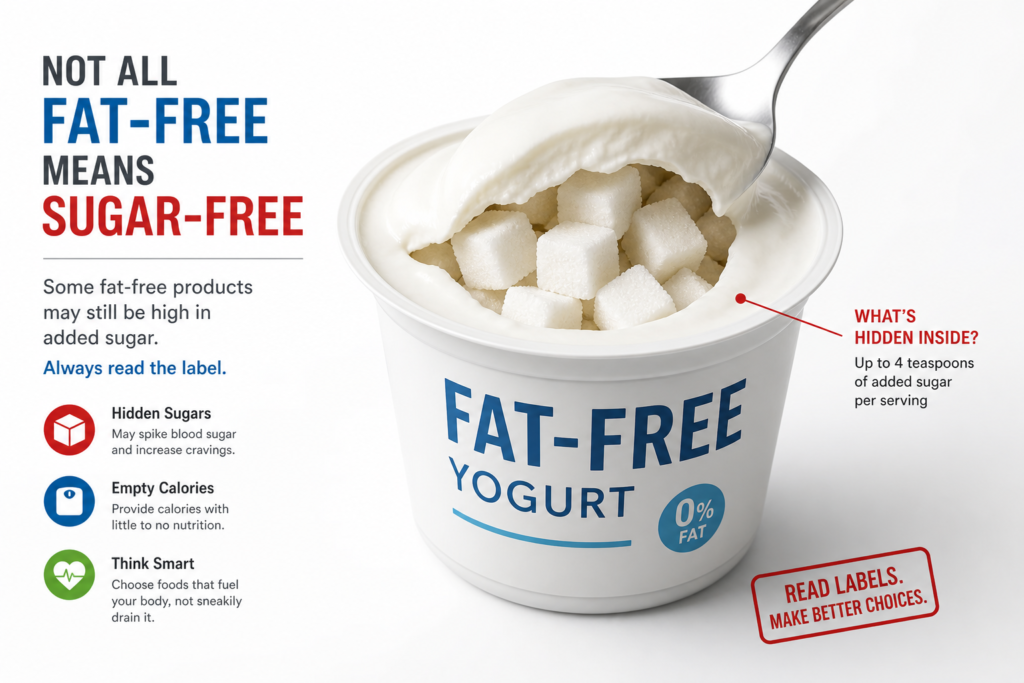
In the late 1980s and 1990s, dietary fat was aggressively vilified by public health guidelines. The prevailing (and ultimately flawed) nutritional advice dictated that eating fat directly made you fat, leading to a massive explosion of “fat-free” and “low-fat” products on supermarket shelves. Yogurt, which had been a staple of healthy traditional diets for centuries, underwent a radical transformation during this era.
The Biological Mechanism Fat serves a critical culinary purpose: it provides mouthfeel, texture, and flavor. When dairy manufacturers stripped the naturally occurring fat out of yogurt to create “diet” versions, the resulting product was chalky, sour, and unpalatable. To make the fat-free yogurt edible, they pumped it full of refined sugar, artificial flavors, and thickeners like modified corn starch to simulate the lost creamy texture.
Furthermore, dairy fat contains vital fat-soluble vitamins, specifically Vitamins A, D, E, and K. Your body physically cannot absorb these essential nutrients without the presence of dietary fat. By eating fat-free dairy, you are missing out on the primary nutritional benefits of the food.
The Health Impact A small, single-serving cup of flavored, fat-free fruit yogurt can contain upwards of 20 to 25 grams of added sugar—the equivalent of eating a candy bar for breakfast. Because there is no fat to slow down digestion, this sugary concoction acts much like fruit juice, causing a rapid spike in blood glucose and insulin.
Modern research has largely exonerated full-fat, unsweetened dairy. Studies suggest that the unique fatty acids found in fermented dairy products (like kefir and traditional yogurt) are actually cardioprotective, increase satiety, and are associated with a lower risk of obesity and metabolic disease compared to their fat-free counterparts.
What to Choose Instead Ignore the flavored, fat-free aisles entirely. Opt for plain, unsweetened, whole-milk (full-fat) Greek yogurt or traditional plain yogurt. The fat will keep you feeling full and satisfied for hours, and the live active cultures will support your gut health. If you need sweetness, add a handful of fresh berries, a dash of cinnamon, or a teaspoon of raw honey. You get to control the sugar content, and the presence of the dairy fat will ensure a slow, steady metabolic response.
Conclusion
Navigating the modern food landscape requires a healthy dose of skepticism and a willingness to look past clever marketing slogans. The food industry is highly adept at exploiting the “health halo” effect, slapping words like “plant-based,” “agave-sweetened,” or “fat-free” onto products that are ultimately highly processed and metabolically disruptive.
True nutritional health is rarely found in extreme restriction or heavily engineered substitute products. It is found in returning to the basics: whole, minimally processed foods that resemble their natural state. By reducing your intake of refined sugars, artificial additives, and ultra-processed oils, and replacing them with fiber-rich whole fruits, traditional fats, and single-ingredient proteins, you can dramatically reduce cellular inflammation, heal your gut microbiome, and protect your long-term metabolic health. Your diet is the most powerful tool you have for shaping your health—make sure you are feeding your body what it actually needs.
References & Further Reading
- SACN Statement on Processed Foods and Health (2024). United Kingdom Government / Scientific Advisory Committee on Nutrition.
- Not All Ultra-Processed Foods Are Created Equal: A Review (2026). BMJ Nutrition, Prevention & Health.
- Negative Effects of Artificial Sweeteners May Pass On To Next Generation, Mouse Research Suggests (2026). Frontiers in Nutrition.
- Effect of Non-Nutritive Sweeteners on the Gut Microbiota (2023). MDPI.
- Seed Oils: Separating Fact from Fiction (2026). Torrance Memorial Medical Center.
- Agave Nectar and Blood Sugar: What Actually Happens When You Use It (2024). Review of Sociological and Metabolic Nutrition Research.
- Is Agave a Healthier Sweetener Than Sugar? (2025). GoodRx Health / Nutritional Wellness Review.

Emily Carter is a Senior Health Researcher and Supplement Analyst at the Nutrasfit Research Team, based in Austin, Texas. She specializes in evaluating dietary supplements through ingredient analysis, scientific research, and real-world effectiveness.
With a background in nutrition science, Emily focuses on breaking down complex health information into simple, practical insights that readers can trust. Her work is centered on helping individuals make informed decisions and choose supplements that are safe, effective, and aligned with their health goals.