
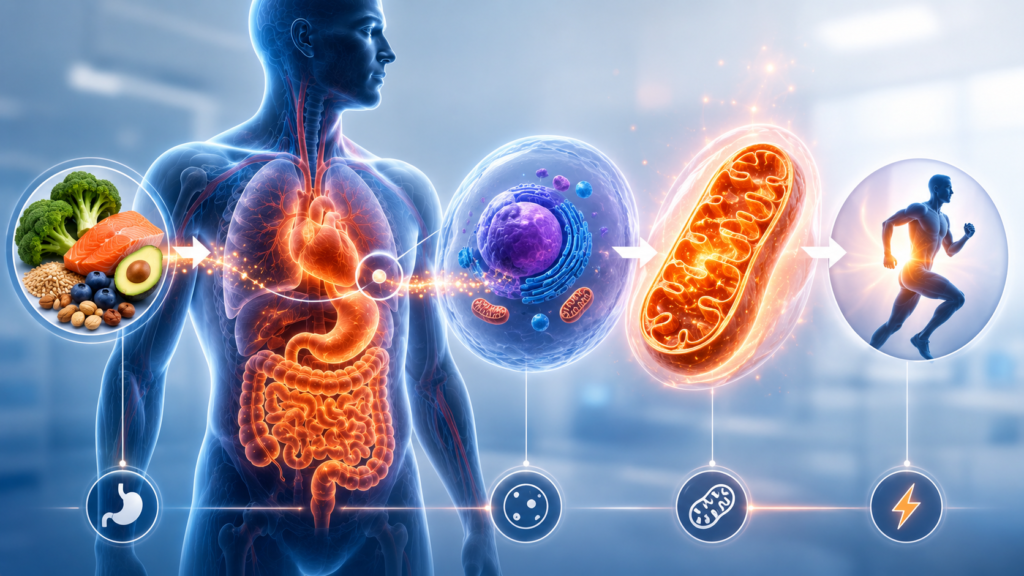
A slow metabolism is one of the most common reasons people feel stuck with low energy, stubborn weight gain, or difficulty losing fat even when they are trying to eat better. But metabolism is not just about weight loss. It is the complete process by which your body converts food into energy, supports breathing, blood circulation, cell repair, hormone production, digestion, brain function, and physical movement.
Many people assume metabolism is fixed, but that is not completely true. While genetics, age, sex, height, and hormones influence metabolic rate, your daily habits also play a major role. The good news is that you can naturally support a healthier metabolism through nutrition, exercise, sleep, hydration, stress control, and muscle-building habits.
This guide explains how metabolism works, why it may slow down, and what science-backed lifestyle changes can help you boost it naturally.
What Is Metabolism?
Metabolism refers to all the chemical reactions happening inside your body to keep you alive and functioning. These reactions help your body break down food, produce energy, build tissues, repair cells, regulate temperature, and remove waste.
You can learn more about the basic science of metabolism from Wikipedia here:
Metabolism – Wikipedia
Your total daily energy use mainly comes from four areas:
| Metabolic Component | What It Means | Approximate Role |
|---|---|---|
| Basal Metabolic Rate | Energy your body uses at rest | Largest part of daily calorie burn |
| Physical Activity | Exercise and daily movement | Highly variable |
| Thermic Effect of Food | Calories burned during digestion | Smaller but important |
| Non-Exercise Activity | Walking, standing, cleaning, fidgeting | Can strongly affect daily energy use |
Basal metabolic rate, or BMR, is the number of calories your body needs to perform basic functions while at rest. This includes breathing, blood circulation, organ function, and cell repair. You can read more here:
Basal Metabolic Rate – Wikipedia
Common Signs of a Slow Metabolism
A slow metabolism does not always show up the same way in everyone. Some signs may also be linked to thyroid issues, nutrient deficiencies, sleep problems, stress, or medical conditions.
Common signs may include:
| Possible Sign | What It May Indicate |
|---|---|
| Easy weight gain | Lower calorie burn, overeating, inactivity, or hormonal changes |
| Difficulty losing weight | Low muscle mass, poor sleep, stress, or under-eating |
| Constant tiredness | Low energy production, poor diet, or medical issues |
| Feeling cold often | Thyroid or metabolic regulation issues |
| Dry skin or hair thinning | Possible thyroid or nutrient-related issue |
| Sugar cravings | Blood sugar imbalance or poor meal composition |
| Low exercise stamina | Low fitness level or poor recovery |
If these symptoms are severe, sudden, or long-lasting, it is best to speak with a healthcare provider. A very slow metabolism can sometimes be related to thyroid disorders, anemia, diabetes, medication effects, or hormonal imbalance.
Trusted health information on thyroid and metabolism can be found here:
MedlinePlus – Thyroid Diseases
Why Does Metabolism Slow Down?
Metabolism can slow down for many reasons. Some are natural, while others are lifestyle-related.
1. Loss of Muscle Mass
Muscle is more metabolically active than fat. This means your body uses more energy to maintain muscle tissue. As people age or become less physically active, they often lose muscle mass. This can reduce resting energy expenditure.
Strength training becomes especially important after your 30s because age-related muscle loss can gradually affect body composition, strength, and metabolic health.
2. Very Low-Calorie Dieting
Eating too little for too long may make your body more energy-efficient. In simple words, your body may reduce calorie burn to protect itself from perceived starvation. This is one reason crash diets often fail.
Extreme dieting can also increase hunger, reduce energy, lower exercise performance, and cause muscle loss.
3. Poor Sleep Quality
Sleep affects hormones related to appetite, blood sugar control, stress, and recovery. Poor sleep may increase cravings, reduce motivation to exercise, and disturb metabolism-related hormones.
The CDC explains the importance of sleep for overall health here:
CDC – Sleep and Sleep Disorders
4. Low Protein Intake
Protein has a higher thermic effect than carbohydrates and fats, meaning your body uses more energy to digest and process it. Protein also helps preserve lean muscle mass during weight loss.
5. Sedentary Lifestyle
Even if you exercise for 30 minutes, sitting for long hours can reduce total daily calorie burn. Daily movement outside the gym matters a lot.
6. Chronic Stress
Long-term stress can affect cortisol levels, appetite, sleep, cravings, and fat storage patterns. Stress does not directly “destroy” metabolism, but it can create habits and hormonal patterns that make weight management harder.
7. Medical or Hormonal Issues
Conditions such as hypothyroidism, polycystic ovary syndrome, insulin resistance, and certain medication effects can influence metabolism. If lifestyle changes are not helping, medical testing may be necessary.
Best Natural Ways to Boost a Slow Metabolism
1. Build More Muscle Through Strength Training
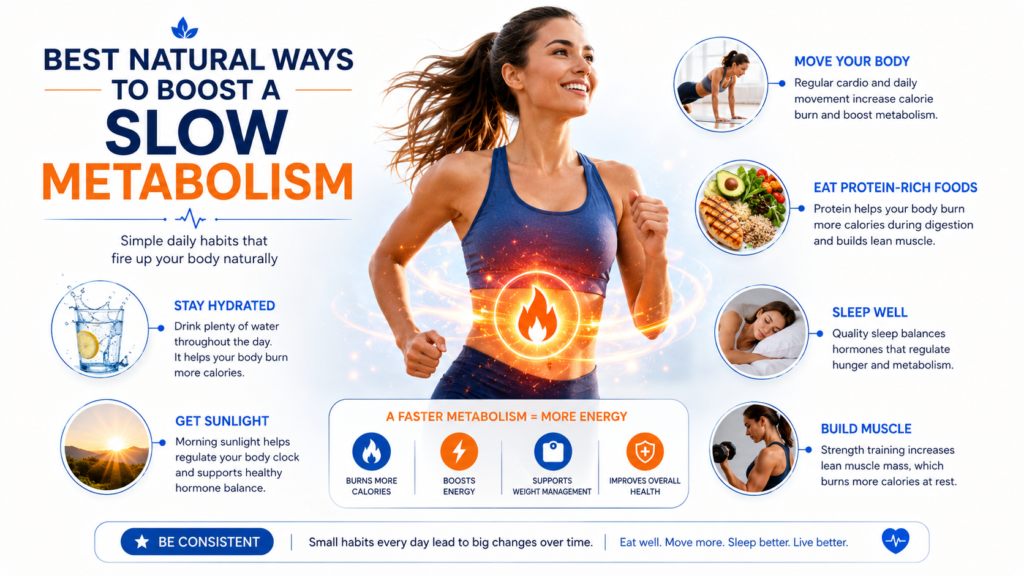
Strength training is one of the most effective ways to naturally support metabolism. Lifting weights, doing resistance band exercises, or performing bodyweight workouts helps maintain and build lean muscle.
More muscle can increase resting calorie burn and improve insulin sensitivity, posture, strength, and long-term weight management.
Good strength exercises include:
| Exercise Type | Examples |
|---|---|
| Bodyweight | Squats, push-ups, lunges, planks |
| Resistance Bands | Rows, band squats, shoulder presses |
| Weights | Deadlifts, bench press, dumbbell rows |
| Machines | Leg press, chest press, cable rows |
Aim for strength training 2–4 times per week. Beginners can start with full-body workouts using simple movements. The goal is not to become a bodybuilder; the goal is to build and preserve healthy muscle tissue.
2. Eat Enough Protein at Each Meal
Protein supports metabolism in three important ways. First, it helps repair and build muscle. Second, it increases satiety, meaning you feel full longer. Third, your body burns more calories digesting protein compared with fats or carbohydrates.
Healthy protein sources include eggs, fish, chicken, lentils, beans, Greek yogurt, tofu, paneer, nuts, seeds, and lean meats.
| Meal | Protein-Rich Option |
|---|---|
| Breakfast | Eggs, Greek yogurt, sprouts, tofu scramble |
| Lunch | Lentils, chicken, fish, beans, paneer |
| Snack | Nuts, seeds, cottage cheese, roasted chana |
| Dinner | Dal, tofu, lean meat, legumes, curd |
Protein needs vary depending on body weight, activity level, age, and health condition. People who exercise regularly or are trying to lose fat may need more protein than sedentary individuals.
More about protein and nutrition:
Harvard T.H. Chan School of Public Health – Protein
3. Avoid Crash Diets and Eat Enough Calories
Many people try to fix a slow metabolism by eating very little. This often backfires. When calorie intake is too low for too long, the body may reduce energy expenditure, increase hunger hormones, and burn muscle tissue for energy.
Instead of extreme restriction, focus on a moderate calorie deficit if weight loss is your goal. A balanced approach is more sustainable and protects metabolic health.
A better plate structure:
| Food Group | Role in Metabolism |
|---|---|
| Protein | Supports muscle and fullness |
| Fiber-rich carbs | Supports digestion and blood sugar balance |
| Healthy fats | Supports hormones and satiety |
| Vegetables | Provide micronutrients and volume |
| Water | Supports digestion and cellular function |
Good examples include dal with vegetables and rice, eggs with whole-grain toast, grilled fish with salad, paneer with vegetables, or beans with quinoa.
4. Increase Daily Movement, Not Just Exercise
Exercise is important, but daily movement is equally powerful. This includes walking, standing, cleaning, climbing stairs, stretching, cooking, gardening, and other non-exercise activities.
This type of movement is often called NEAT, or non-exercise activity thermogenesis. For many people, NEAT can make a big difference in daily calorie burn.
Simple ways to move more:
| Habit | Easy Action |
|---|---|
| After meals | Walk for 10 minutes |
| Work hours | Stand every 45–60 minutes |
| Phone calls | Walk while talking |
| Short distances | Choose stairs or walking |
| Evening routine | Light walk after dinner |
Walking is one of the easiest metabolism-friendly habits because it supports calorie burn, blood sugar control, digestion, and cardiovascular health without putting too much stress on the body.
5. Drink Enough Water
Water is essential for digestion, nutrient transport, temperature regulation, and energy production. Even mild dehydration can make you feel tired and reduce physical performance.
Some studies suggest drinking water may temporarily increase energy expenditure, but the bigger benefit is that hydration helps your body function properly and may reduce unnecessary snacking caused by confusing thirst with hunger.
Good hydration habits include drinking water after waking, before meals, during workouts, and in hot weather.
| Situation | Hydration Tip |
|---|---|
| Morning fatigue | Drink water after waking |
| Exercise | Sip water before and after workout |
| Hot weather | Increase water and electrolytes |
| High-fiber diet | Drink more water to support digestion |
Avoid relying heavily on sugary drinks, sodas, and high-calorie beverages, as these can increase calorie intake without improving fullness.
6. Prioritize Quality Sleep
Poor sleep can make metabolism feel slower because it affects energy, hunger, cravings, insulin sensitivity, and exercise performance. People who sleep poorly often crave high-sugar and high-fat foods and feel less motivated to move.
Helpful sleep habits include:
| Sleep Habit | Why It Helps |
|---|---|
| Fixed sleep schedule | Supports circadian rhythm |
| Less screen time before bed | May support melatonin rhythm |
| Dark, cool room | Improves sleep quality |
| Avoid late caffeine | Reduces sleep disruption |
| Relaxing bedtime routine | Lowers stress before sleep |
The National Heart, Lung, and Blood Institute also explains why sleep is essential for health:
NHLBI – Sleep Deprivation and Deficiency
7. Manage Stress Naturally
Chronic stress can make metabolism-related habits worse. It may increase emotional eating, sugar cravings, late-night snacking, poor sleep, and fatigue. Stress also affects cortisol, a hormone involved in energy regulation.
Natural stress-management habits include deep breathing, meditation, walking outdoors, journaling, yoga, stretching, prayer, social connection, and reducing unnecessary digital overload.
| Stress Habit | Benefit |
|---|---|
| Deep breathing | Calms nervous system |
| Walking | Reduces stress and improves movement |
| Journaling | Helps emotional clarity |
| Yoga/stretching | Supports relaxation and flexibility |
| Sleep routine | Reduces stress-related fatigue |
Stress management is not only mental care. It is also metabolic care because it improves the behaviors that support a healthier body.
8. Eat More Fiber-Rich Foods
Fiber supports digestion, gut bacteria, fullness, and blood sugar balance. High-fiber foods usually take longer to digest, which helps you feel satisfied and reduces overeating.
Good fiber sources include vegetables, fruits, oats, beans, lentils, chia seeds, flaxseeds, whole grains, and nuts.
| Fiber Food | Benefit |
|---|---|
| Oats | Supports fullness and heart health |
| Lentils | Protein + fiber combination |
| Vegetables | Low-calorie volume and nutrients |
| Fruits | Fiber, antioxidants, hydration |
| Seeds | Healthy fats and fiber |
Gut health is also connected to metabolism, inflammation, and energy regulation. While the gut microbiome is still an active research area, eating diverse plant foods is one of the most reliable ways to support healthy gut bacteria.
More about dietary fiber:
Mayo Clinic – Dietary Fiber
9. Include Smart Cardio, But Do Not Overdo It
Cardio helps burn calories, improve heart health, increase stamina, and support fat loss. However, relying only on cardio while ignoring strength training may lead to muscle loss, especially during dieting.
A balanced routine is better.
| Exercise Type | Best Use |
|---|---|
| Walking | Daily movement and fat-loss support |
| Cycling | Low-impact cardio |
| Swimming | Full-body conditioning |
| Jogging | Cardiovascular fitness |
| HIIT | Short intense sessions, not daily |
| Strength training | Muscle and metabolism support |
For most people, a combination of walking, moderate cardio, and strength training works better than extreme workouts.
10. Do Not Ignore Micronutrients
Vitamins and minerals help the body produce energy and regulate metabolism. Deficiencies in nutrients like iron, vitamin D, B vitamins, magnesium, iodine, and zinc may contribute to fatigue, weakness, poor recovery, or hormonal issues.
| Nutrient | Why It Matters |
|---|---|
| Iron | Supports oxygen transport and energy |
| Vitamin D | Supports muscles, immunity, and hormones |
| B Vitamins | Help convert food into energy |
| Magnesium | Supports muscle and nerve function |
| Iodine | Needed for thyroid hormone production |
| Zinc | Supports immunity and hormone function |
Do not self-diagnose deficiencies. If you feel constantly tired, cold, weak, or mentally foggy, blood tests can help identify whether a deficiency is involved.
Sample Metabolism-Boosting Daily Routine
| Time | Habit |
|---|---|
| Morning | Drink water, get sunlight, eat protein-rich breakfast |
| Mid-morning | Walk or stretch for 5–10 minutes |
| Lunch | Balanced meal with protein, fiber, and vegetables |
| Afternoon | Avoid sugary drinks; take a short movement break |
| Evening | Strength training or brisk walk |
| Dinner | Light balanced meal with vegetables and protein |
| Night | Reduce screen time, sleep on schedule |
This routine does not require extreme dieting or intense workouts. It focuses on consistency, which is the real foundation of metabolic health.
Foods That Naturally Support a Healthy Metabolism
No single food can magically “speed up” metabolism, but some foods support energy balance, muscle maintenance, digestion, and fullness.
| Food Category | Examples | How It Helps |
|---|---|---|
| Lean proteins | Eggs, fish, chicken, tofu, dal | Supports muscle and fullness |
| Fiber-rich foods | Oats, beans, fruits, vegetables | Supports digestion and satiety |
| Healthy fats | Nuts, seeds, olive oil, avocado | Supports hormones and fullness |
| Spices | Ginger, chili, black pepper | May slightly increase thermogenesis |
| Fermented foods | Yogurt, kefir, kimchi | Supports gut health |
| Whole grains | Brown rice, quinoa, oats | Provides steady energy |
Green tea and caffeine may slightly increase calorie burn in some people, but the effect is usually small. They should not replace good sleep, exercise, and balanced meals.
When Should You See a Doctor?
Natural lifestyle changes can help many people, but sometimes a slow metabolism is connected to an underlying health issue.
Consider medical advice if you have:
| Warning Sign | Possible Concern |
|---|---|
| Sudden unexplained weight gain | Thyroid, hormonal, or medication-related issue |
| Extreme fatigue | Anemia, thyroid issue, sleep disorder |
| Feeling cold all the time | Possible thyroid or circulation issue |
| Hair loss and dry skin | Thyroid or nutrient deficiency |
| Irregular periods | Hormonal imbalance or PCOS |
| Excessive thirst or urination | Blood sugar issue |
| Depression or brain fog | Sleep, thyroid, nutrient, or mental health issue |
A healthcare provider may recommend checking thyroid hormones, blood sugar, vitamin D, iron levels, B12, and other markers depending on symptoms.
Scientific References and Trusted Health Sources
- Wikipedia – Metabolism
https://en.wikipedia.org/wiki/Metabolism - Wikipedia – Basal Metabolic Rate
https://en.wikipedia.org/wiki/Basal_metabolic_rate - Harvard T.H. Chan School of Public Health – Protein
https://www.hsph.harvard.edu/nutritionsource/what-should-you-eat/protein/ - CDC – Sleep and Sleep Disorders
https://www.cdc.gov/sleep/ - Mayo Clinic – Dietary Fiber
https://www.mayoclinic.org/healthy-lifestyle/nutrition-and-healthy-eating/in-depth/fiber/art-20043983 - MedlinePlus – Thyroid Diseases
https://medlineplus.gov/thyroiddiseases.html - NHLBI – Sleep Deprivation and Deficiency
https://www.nhlbi.nih.gov/health/sleep-deprivation
Final Thoughts
Boosting a slow metabolism naturally is not about one magic food, one supplement, or one extreme workout plan. It is about improving the habits that control energy use, muscle mass, hormones, sleep, digestion, and daily movement.
The most effective metabolism-supporting habits are simple but powerful: eat enough protein, build muscle, move more throughout the day, sleep well, manage stress, stay hydrated, and avoid crash dieting. These changes may not deliver overnight results, but they can gradually improve your energy, body composition, and long-term health.
A healthy metabolism is built through consistency, not extremes. Start with one or two habits, follow them daily, and slowly build a lifestyle that helps your body work better naturally.

Emily Carter is a Senior Health Researcher and Supplement Analyst at the Nutrasfit Research Team, based in Austin, Texas. She specializes in evaluating dietary supplements through ingredient analysis, scientific research, and real-world effectiveness.
With a background in nutrition science, Emily focuses on breaking down complex health information into simple, practical insights that readers can trust. Her work is centered on helping individuals make informed decisions and choose supplements that are safe, effective, and aligned with their health goals.