
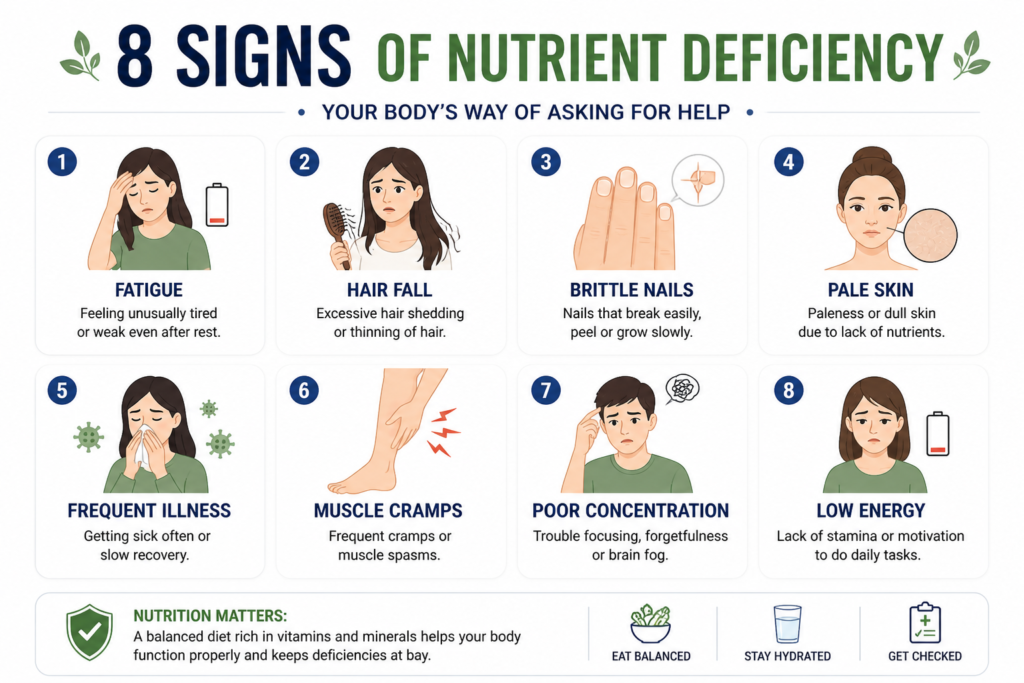
A well-balanced diet is the cornerstone of good health, providing the body with the macro and micronutrients it needs to function optimally. However, in our fast-paced modern world, it is incredibly common to consume a diet that is high in calories but severely lacking in essential vitamins and minerals. This phenomenon is often referred to as “hidden hunger” or micronutrient malnutrition.
The human body is a highly complex, interconnected biological machine. When it lacks the raw materials required to produce energy, repair tissues, or synthesize hormones, it will send out warning signs. Unfortunately, these signs are often subtle and easily dismissed as the physical toll of a busy lifestyle, stress, or normal aging. Ignoring these signals can lead to long-term health complications.
This comprehensive guide delves into eight critical signs that your body is lacking important nutrients. By understanding the biological mechanisms behind these symptoms, you can make informed, proactive dietary changes and consult with healthcare professionals to restore your body’s nutritional balance.
1. Unexplained Fatigue and Weakness
Fatigue is one of the most common medical complaints, and while it can be caused by a myriad of lifestyle factors—such as poor sleep, chronic stress, or overwork—it is also a primary indicator of several severe nutrient deficiencies. When your body lacks the nutrients required for cellular respiration and energy metabolism, no amount of sleep will leave you feeling fully rested.
The Biological Mechanism
Energy production in the human body relies heavily on the synthesis of Adenosine Triphosphate (ATP) within the mitochondria of our cells. Furthermore, oxygen must be efficiently transported from the lungs to every cell in the body to fuel this aerobic respiration. When the body lacks the specific nutrients required to build red blood cells or facilitate the Krebs cycle (citric acid cycle), cellular energy plummets.
Key Nutrients Involved
- Iron: Iron is the core component of hemoglobin, the protein in red blood cells responsible for binding and transporting oxygen. An iron deficiency leads to anemia, characterized by tissues being deprived of oxygen. This results in profound physical exhaustion, shortness of breath, and brain fog.
- Vitamin B12 (Cobalamin): This water-soluble vitamin is crucial for the production of healthy red blood cells and the maintenance of the central nervous system. A lack of B12 can lead to megaloblastic anemia, where red blood cells become abnormally large and inefficient at carrying oxygen.
- Magnesium: Magnesium is a required cofactor for over 300 enzymatic reactions in the body, including those that bind ATP. Without sufficient magnesium, the body physically cannot produce or utilize energy efficiently, leading to muscle weakness and systemic fatigue.
Populations at Risk
Vegans and vegetarians are at a significantly higher risk for Vitamin B12 deficiency, as this nutrient is almost exclusively found in animal products. Women of childbearing age are highly susceptible to iron deficiency due to blood loss during menstruation. Additionally, older adults often struggle with B12 absorption due to a decrease in stomach acid production (achlorhydria).
Dietary Solutions
To combat these deficiencies, incorporate iron-rich foods such as lean red meat, poultry, beans, lentils, and dark leafy greens (like spinach). To enhance the absorption of non-heme iron (plant-based iron), pair it with Vitamin C-rich foods like citrus fruits or bell peppers. For Vitamin B12, consume eggs, dairy, fortified nutritional yeast, or consider a high-quality supplement. Magnesium can be found abundantly in almonds, pumpkin seeds, black beans, and whole grains.
2. Hair Loss and Brittle Nails
While losing about 50 to 100 strands of hair a day is part of the normal hair growth cycle, noticing thinning hair, bald patches, or discovering that your nails are constantly chipping, splitting, or breaking can be alarming. The hair and nails are made primarily of a tough protein called keratin. Because hair and nails are not considered “essential” for survival, the body will quickly divert nutrients away from them during times of nutritional scarcity to support vital organs.
The Biological Mechanism
Hair follicles are among the most metabolically active cells in the body. The hair growth cycle (anagen, catagen, and telogen phases) requires a continuous and heavy supply of vitamins, minerals, and proteins to sustain rapid cell division. Similarly, the nail matrix requires an uninterrupted supply of nutrients to produce strong keratinocytes.
Key Nutrients Involved
- Biotin (Vitamin B7): Biotin plays a vital role in metabolizing amino acids, which are the building blocks of protein, including keratin. Biotin deficiency, though relatively rare, directly causes hair thinning and brittle nails.
- Zinc: Zinc is essential for protein synthesis and cell division. A deficiency can cause a disruption in the hair growth cycle, prematurely pushing hair follicles into the telogen (resting/shedding) phase. Zinc deficiency is also linked to Beau’s lines (deep horizontal grooves on the fingernails).
- Iron: As mentioned earlier, iron is crucial for oxygen delivery. When hair follicles do not receive adequate oxygen-rich blood, the growth phase is stunted, leading to a condition known as telogen effluvium (diffuse hair shedding).
Populations at Risk
Individuals with gastrointestinal disorders (like Crohn’s disease or celiac disease) that impair nutrient absorption are at high risk. Pregnant women and individuals undergoing severe calorie-restricted diets or eating disorders are also highly susceptible to hair and nail changes due to nutrient deprivation.
Dietary Solutions
Ensure adequate protein intake, as amino acids are the foundation of keratin. Biotin is abundant in egg yolks, organ meats, nuts, seeds, and sweet potatoes. Zinc can be reliably sourced from oysters, beef, pumpkin seeds, and lentils. For individuals noticing severe hair loss, blood panels checking ferritin (stored iron), zinc, and thyroid function are highly recommended.
Table 1: Common Nutrient Deficiencies Affecting Skin, Hair, and Nails
| Symptom | Primary Nutrient Deficiency | Secondary Deficiencies | Best Dietary Sources |
| Brittle Nails | Biotin (Vitamin B7) | Iron, Zinc, Protein | Egg yolks, almonds, salmon, organ meats |
| Hair Thinning | Iron (Ferritin) | Zinc, Vitamin D, Protein | Red meat, lentils, pumpkin seeds, fortified foods |
| Dry/Flaky Skin | Omega-3 Fatty Acids | Vitamin A, Vitamin E | Chia seeds, flaxseeds, mackerel, walnuts |
| Pale Complexion | Iron, Folic Acid | Vitamin B12, Copper | Spinach, citrus fruits, poultry, nutritional yeast |
3. Mouth Ulcers and Cracks in the Corners of the Mouth
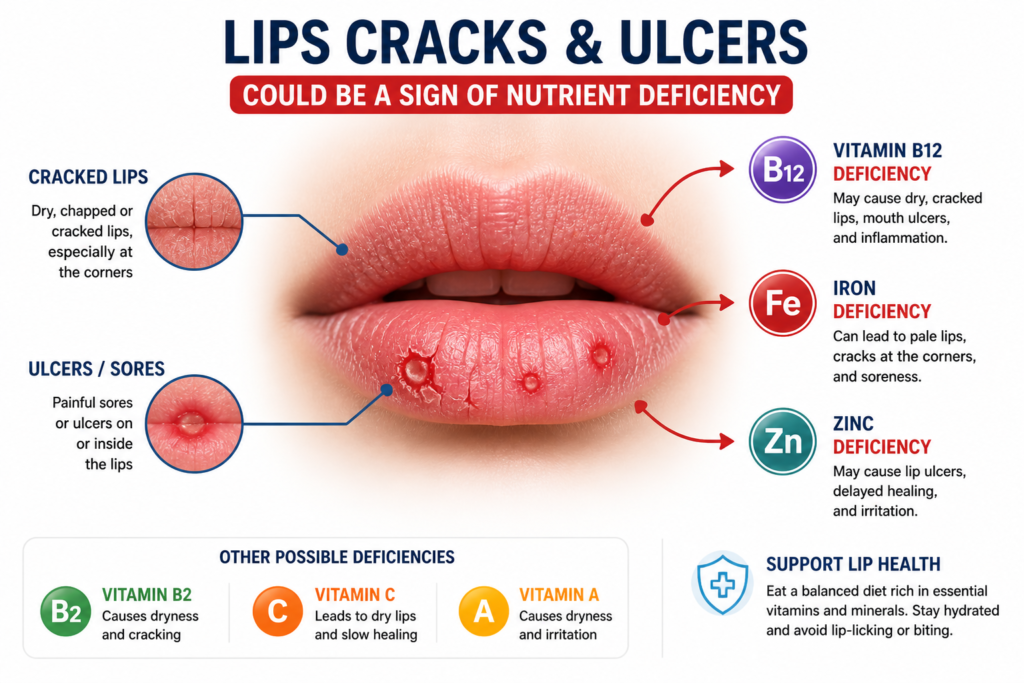
Lesions in and around the mouth are incredibly common and can be triggered by stress, acidic foods, or accidental bites. However, chronic or recurring mouth ulcers (aphthous stomatitis) and painful cracks at the corners of the mouth (angular cheilitis) are classic, well-documented signs of specific nutritional deficiencies, particularly of the B-vitamin complex.
The Biological Mechanism
The mucosal lining of the mouth and the skin at the commissures (corners) of the lips have a very high rate of cellular turnover. This rapid regeneration requires a constant supply of specific nutrients that facilitate DNA synthesis and cellular repair. When these nutrients are lacking, the delicate tissues break down, fail to heal, and become susceptible to inflammation and opportunistic fungal or bacterial infections.
Key Nutrients Involved
- Riboflavin (Vitamin B2): Riboflavin is crucial for maintaining the structural integrity of mucous membranes. Angular cheilitis—the painful cracking, crusting, and bleeding at the corners of the mouth—is a hallmark sign of ariboflavinosis (riboflavin deficiency).
- Iron and Folate (Vitamin B9): Both iron and folate are necessary for healthy cell division and the maintenance of epithelial tissues. Deficiencies often manifest as painful, recurrent canker sores inside the cheeks, lips, or on the tongue.
- Cobalamin (Vitamin B12): Glossitis, a condition where the tongue becomes swollen, inflamed, and smooth (losing its papillae), is strongly associated with B12 deficiency.
Populations at Risk
Alcoholism heavily impairs the absorption and utilization of B vitamins, placing chronic heavy drinkers at high risk. Vegans are at risk for B12-related oral issues. Individuals eating highly refined, processed diets devoid of whole grains and fresh vegetables may easily fall short of their riboflavin and folate requirements.
Dietary Solutions
To heal and prevent these painful oral conditions, focus on a diet rich in B vitamins. Poultry, meat, and fish are excellent sources of B12 and riboflavin. For plant-based sources, rely on dark green leafy vegetables (excellent for folate), legumes, nuts, seeds, and fortified cereals. If angular cheilitis persists, a doctor may check for underlying iron deficiency anemia or a localized fungal infection (Candida) that has taken advantage of the weakened skin barrier.
4. Bleeding Gums and Slow Wound Healing
Brushing your teeth too hard can certainly cause your gums to bleed. But if your gums are consistently swollen, red, and bleed easily even with gentle brushing or flossing, your diet might be to blame. Furthermore, if you notice that minor cuts, scrapes, or bruises are taking an unusually long time to heal, this is a major red flag indicating a disruption in your body’s tissue repair mechanisms.
The Biological Mechanism
Skin, blood vessels, and gum tissue rely on a structural protein called collagen to maintain their elasticity, strength, and integrity. The biosynthesis of collagen is a complex process. Specifically, the amino acids proline and lysine must be hydroxylated to form the strong, triple-helix structure of collagen. This hydroxylation process absolutely requires Vitamin C as an essential cofactor. Without it, the collagen produced is unstable and weak, leading to fragile blood vessels that rupture easily.
Key Nutrients Involved
- Vitamin C (Ascorbic Acid): The classic disease associated with severe Vitamin C deficiency is scurvy. While full-blown scurvy is rare in the modern developed world, subclinical deficiencies are quite common. Symptoms include gingivitis (bleeding gums), easy bruising, slow wound healing, and even the reopening of old wounds in severe cases.
- Zinc: Zinc is heavily involved in every phase of wound healing, from membrane repair and oxidative stress coagulation to tissue re-epithelialization and angiogenesis (the formation of new blood vessels). A lack of zinc significantly delays the healing of cuts and surgical incisions.
- Vitamin K: This fat-soluble vitamin is required for the synthesis of specific proteins necessary for blood coagulation (clotting). If your body lacks Vitamin K, even minor trauma can lead to excessive bleeding and large bruises.
Populations at Risk
Smokers are at a significantly higher risk of Vitamin C deficiency because the oxidative stress caused by cigarette smoke depletes the body’s Vitamin C stores at an accelerated rate. Individuals who consume very few fresh fruits and vegetables—relying entirely on fast food or highly processed meals—are also at high risk for scurvy-like symptoms.
Dietary Solutions
The human body cannot synthesize Vitamin C; it must be obtained entirely through the diet. Citrus fruits (oranges, lemons, grapefruits), strawberries, kiwi, bell peppers, and broccoli are exceptional sources of Vitamin C. For Vitamin K, focus heavily on leafy greens like kale, spinach, and Swiss chard, as well as fermented foods like natto. Zinc can be replenished through meat, shellfish, dairy, and legumes.
Table 2: Critical Minerals for Musculoskeletal and Neurological Health
| Mineral | Primary Function in the Body | Deficiency Symptoms | Top Dietary Sources |
| Calcium | Bone structure, muscle contraction, nerve signaling | Muscle cramps, osteoporosis, numbness in fingers | Dairy, fortified plant milks, tofu, sardines |
| Magnesium | Energy (ATP) production, muscle relaxation, over 300 enzyme reactions | Muscle spasms, eye twitches, fatigue, irregular heartbeat | Spinach, almonds, black beans, avocado |
| Potassium | Fluid balance, nerve signals, heart muscle contractions | Weakness, severe cramps, palpitations | Bananas, sweet potatoes, white beans, yogurt |
| Iron | Oxygen transport (hemoglobin), DNA synthesis | Severe fatigue, shortness of breath, pale skin, RLS | Red meat, lentils, spinach, fortified cereals |
5. Bone Pain and Muscle Cramps
Achey bones, joint discomfort, and sudden, agonizing muscle cramps (often occurring in the calves during the night, colloquially known as “charley horses”) are highly disruptive symptoms. While physical exertion, dehydration, and poor stretching can cause muscle cramps, chronic issues are frequently rooted in electrolyte imbalances and deficiencies in bone-supporting nutrients.
The Biological Mechanism
Bones are not static structures; they are living tissues that are constantly being broken down (resorption) and rebuilt (ossification). This delicate balance requires an exact ratio of calcium and phosphorus. Muscle contractions and relaxations are governed by the exchange of electrolytes (sodium, potassium, calcium, and magnesium) across cell membranes, creating electrical action potentials. An imbalance in these minerals leads to hyperexcitability of the nerve and muscle fibers, resulting in involuntary spasms.
Key Nutrients Involved
- Vitamin D (Calciferol): Vitamin D acts more like a hormone than a traditional vitamin. Its primary role is to promote calcium absorption in the gut. Without adequate Vitamin D, the body can only absorb 10–15% of dietary calcium. Severe deficiency leads to rickets in children and osteomalacia (softening of the bones) in adults, manifesting as deep bone pain and an increased risk of fractures.
- Calcium: The primary building block of bone tissue. If blood calcium levels drop, the body will leach calcium directly from the bones to maintain vital heart and nerve functions, leading to osteoporosis over time.
- Magnesium and Potassium: These electrolytes are essential for muscle relaxation. While calcium triggers the muscle fibers to contract, magnesium is required to push calcium back out of the cells, allowing the muscle to relax. A lack of magnesium leaves the muscle stuck in a contracted, cramped state.
Populations at Risk
Individuals living in northern latitudes with long, dark winters are at massive risk for Vitamin D deficiency due to a lack of UVB sun exposure. Office workers who spend their days entirely indoors are equally vulnerable. Older adults also synthesize Vitamin D less efficiently. Athletes and heavy sweaters lose large amounts of potassium and magnesium through perspiration.
Dietary Solutions
Vitamin D is notoriously difficult to get from food alone, though it is present in fatty fish (salmon, mackerel), egg yolks, and fortified dairy. Safe sun exposure and high-quality Vitamin D3 supplements are often necessary to reach optimal blood levels (typically measured as 25-hydroxyvitamin D). Increase potassium by consuming potatoes, bananas, squash, and beans. Boost magnesium with leafy greens, dark chocolate, and nuts. Calcium can be sourced from dairy, bony fish (like sardines), and fortified plant milks.
6. Night Blindness and Vision Issues
If you find yourself struggling to see in dimly lit environments, or if driving at night has become increasingly difficult due to poor visual adaptation, your eyes may be starved of a specific, critical nutrient. Beyond night blindness, a severe deficiency can lead to dry eyes, a buildup of debris on the whites of the eyes, and eventually irreversible blindness.
The Biological Mechanism
The retina, located at the back of the eye, contains photoreceptor cells called rods and cones. Rod cells are incredibly sensitive to light and are responsible for our vision in low-light conditions. To function, rods require a light-absorbing molecule called rhodopsin. Rhodopsin is synthesized from a protein called opsin and a form of Vitamin A called retinal. Without sufficient Vitamin A, the body cannot regenerate rhodopsin quickly enough after exposure to light, causing night blindness (nyctalopia).
Key Nutrients Involved
- Vitamin A (Retinol/Beta-Carotene): Vitamin A is the absolute most critical nutrient for eye health. A progressive deficiency leads to a condition called xerophthalmia. Early stages present as night blindness. As it progresses, the tear ducts dry out, and foamy, silvery patches called Bitot’s spots appear on the conjunctiva. If left untreated, it leads to corneal ulceration and permanent blindness. In fact, Vitamin A deficiency is the leading cause of preventable childhood blindness worldwide.
Populations at Risk
While severe Vitamin A deficiency is largely found in developing nations where diets lack animal products and colorful vegetables, subclinical deficiencies can occur anywhere. Individuals with fat malabsorption syndromes (such as cystic fibrosis, celiac disease, or biliary tract disease) are at risk because Vitamin A is a fat-soluble vitamin.
Dietary Solutions
Vitamin A comes in two forms: preformed Vitamin A (retinoids) found in animal products, and provitamin A (carotenoids, like beta-carotene) found in plants. The most potent source of preformed Vitamin A is beef liver or cod liver oil. Egg yolks and dairy are also good sources. To get provitamin A, fill your diet with vibrant orange and yellow vegetables like sweet potatoes, carrots, butternut squash, and dark leafy greens like spinach and kale. Note: Consuming dietary fats alongside these vegetables enhances the absorption of fat-soluble vitamins.
7. Dandruff and Scaly Patches on Scalp and Skin
Skin is the body’s largest organ and acts as a barrier against the external environment. When the body is internally starved of certain vitamins and essential fats, the skin’s defense mechanisms break down. This often presents as stubborn dandruff, seborrheic dermatitis (scaly, itchy, red patches on the scalp, face, or chest), and a general dull, dry complexion that moisturizers cannot fix.
The Biological Mechanism
The epidermis (outer layer of skin) relies on a delicate balance of lipids (fats) to maintain a waterproof barrier that locks in moisture and keeps irritants out. Furthermore, skin cells are constantly dying and being replaced. Nutrients act as catalysts for the enzymes that manage this cellular turnover and regulate the production of sebum (skin oil). When these nutrients are absent, the skin overproduces immature cells that clump together, forming visible, flaky scales.
Key Nutrients Involved
- Zinc: Zinc possesses profound anti-inflammatory properties and regulates oil production. A deficiency can lead to seborrheic dermatitis, characterized by greasy, yellowish scales on the scalp and face.
- Niacin (Vitamin B3), Riboflavin (Vitamin B2), and Pyridoxine (Vitamin B6): Deficiencies in these B-vitamins heavily impact the skin. Severe Niacin deficiency causes Pellagra, a disease characterized by the “4 Ds”: dermatitis, diarrhea, dementia, and death. The dermatitis presents as severe, symmetric, scaly rashes on sun-exposed skin.
- Essential Fatty Acids (Omega-3s): The body cannot produce Omega-3 or Omega-6 fatty acids. They must be ingested. Omega-3s are crucial for the integrity of cell membranes. A lack of these fats leads to transepidermal water loss, resulting in extremely dry, rough, and easily irritated skin.
Populations at Risk
Individuals consuming ultra-processed “Standard American Diets” (SAD) often consume far too many inflammatory Omega-6 fats (from industrial seed oils) and virtually zero anti-inflammatory Omega-3 fats. People with restricted diets, malabsorption issues, or heavy alcohol use are at risk for B-vitamin and zinc deficiencies.
Dietary Solutions
To combat skin flaking and inflammation from the inside out, significantly increase your intake of Omega-3 fatty acids. Fatty fish like wild-caught salmon, mackerel, and sardines are premier sources. Plant-based sources include flaxseeds, chia seeds, and walnuts. Ensure adequate zinc intake through meat, legumes, and seeds. B-vitamins can be sourced from a well-rounded diet of whole grains, poultry, meat, and dark leafy greens.
Table 3: Summary of Recommended Dietary Allowances (RDA) for Adults
Note: RDAs vary by age, sex, and life stage (e.g., pregnancy). The below values represent general adult guidelines.
| Nutrient | General Adult RDA (Male / Female) | Primary Function Addressed in this Article |
| Vitamin C | 90 mg / 75 mg | Collagen synthesis, wound healing, gum health |
| Vitamin D | 600 – 800 IU (15 – 20 mcg) | Calcium absorption, bone integrity |
| Iron | 8 mg / 18 mg (pre-menopause) | Oxygen transport, energy, nerve health |
| Magnesium | 400-420 mg / 310-320 mg | ATP production, muscle relaxation |
| Zinc | 11 mg / 8 mg | Cell division, skin/hair health, wound healing |
| Vitamin B12 | 2.4 mcg | Red blood cell formation, myelin sheath maintenance |
| Vitamin A | 900 mcg RAE / 700 mcg RAE | Rhodopsin synthesis, visual adaptation, tissue health |
8. Restless Leg Syndrome (RLS) and Numbness/Tingling
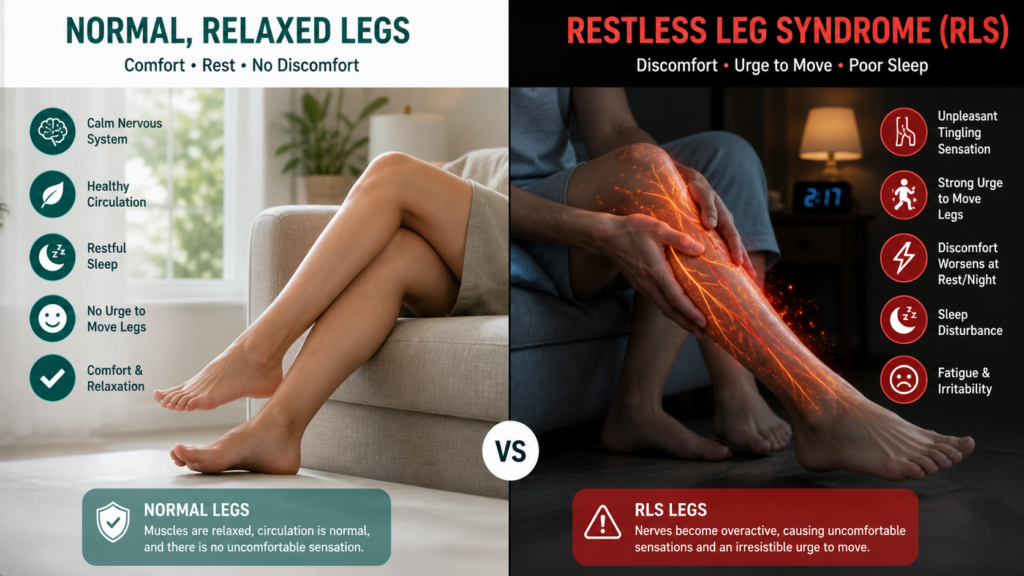
Neurological symptoms can be incredibly distressing. If you frequently experience a “pins and needles” sensation (numbness and tingling) in your hands or feet, or if you suffer from Restless Leg Syndrome (RLS)—an overwhelming, uncomfortable urge to move your legs, particularly when trying to sleep—your nervous system may be signaling a critical nutrient shortage.
The Biological Mechanism
The nervous system is an intricate electrical wiring network. Nerves are coated in a protective layer called the myelin sheath, much like the rubber insulation around a copper wire. This sheath ensures that electrical impulses travel quickly and efficiently. Certain nutrients are strictly required to synthesize and maintain myelin. Furthermore, neurotransmitters (the chemical messengers in the brain) like dopamine require specific minerals as cofactors for their synthesis.
Key Nutrients Involved
- Vitamin B12 (Cobalamin): B12 is absolutely essential for the maintenance of the myelin sheath. A severe and prolonged deficiency leads to peripheral neuropathy—damage to the peripheral nerves. This manifests as tingling, numbness, and burning sensations, typically starting in the hands and feet. Left untreated, B12 neuropathy can cause permanent nerve damage and difficulty walking.
- Iron: While iron is famous for carrying oxygen, it is also an essential cofactor for the enzyme tyrosine hydroxylase, which is the rate-limiting step in the synthesis of dopamine in the brain. A lack of iron in the basal ganglia of the brain is strongly linked to the pathophysiology of Restless Leg Syndrome (RLS).
- Folate (B9) and Vitamin B6: Like B12, these vitamins are heavily involved in nerve health and neurotransmitter production. A deficiency in either can contribute to peripheral neuropathy and neuropathic pain.
Populations at Risk
Pregnant women frequently experience RLS, often due to a rapid depletion of iron stores to support the growing fetus. Older adults, vegans, and patients taking certain medications (like long-term acid reflux drugs or Metformin for diabetes) have a drastically increased risk of developing B12 deficiency and subsequent neuropathy.
Dietary Solutions
For RLS, checking a full iron panel (specifically ferritin levels) is critical. If deficient, doctors will often recommend iron supplementation alongside a diet high in heme iron (meat, poultry) and non-heme iron (spinach, lentils) paired with Vitamin C. For numbness and tingling, addressing B12 intake is paramount. Since animal products are the only natural sources of B12, vegans must rely on fortified foods or high-quality B12 supplements (cyanocobalamin or methylcobalamin) to protect their neurological health.
Conclusion and Actionable Advice
The human body is remarkably resilient, but it cannot run on empty forever. The symptoms outlined above—from the profound fatigue of anemia to the painful oral ulcers of a B-vitamin deficiency—are your body’s attempt to communicate that its fundamental needs are not being met.
While understanding these signs is the first step toward better health, it is crucial to approach nutritional healing responsibly:
- Food First: Always prioritize obtaining nutrients through a diverse, whole-food diet. Nutrients in food act synergistically. For example, the fat in an egg yolk helps your body absorb the fat-soluble vitamins (A, D, E, K) present in a vegetable omelet.
- Avoid Blind Supplementation: More is not always better. Fat-soluble vitamins (A, D, E, K) and certain minerals (like iron and zinc) can build up to toxic levels in the liver and tissues if supplemented excessively. Never megadose vitamins without medical supervision.
- Consult a Professional: If you recognize several of these symptoms in yourself, do not self-diagnose. Make an appointment with your primary care physician or a registered dietitian. Simple blood panels (such as a Complete Blood Count, Ferritin, Vitamin D, and B12 tests) can accurately pinpoint deficiencies, allowing for safe, targeted treatment protocols.
By listening to your body, feeding it dense, high-quality nutrients, and seeking medical guidance when necessary, you can resolve “hidden hunger” and build a foundation for long-term vitality and health.
References and Further Reading
To learn more about the science of nutrition and human health, consult the following trusted authorities:
- National Institutes of Health (NIH) Office of Dietary Supplements: A comprehensive database of vitamin and mineral fact sheets for consumers and health professionals. ods.od.nih.gov
- Mayo Clinic – Nutrition and Healthy Eating: Evidence-based articles on dietary guidelines, deficiency symptoms, and medical nutrition therapy. mayoclinic.org/healthy-lifestyle/nutrition-and-healthy-eating
- Wikipedia: Micronutrient Deficiency: A detailed overview of global epidemiology, historical context, and specific diseases related to malnutrition. en.wikipedia.org/wiki/Micronutrient_deficiency
- World Health Organization (WHO) – Malnutrition: Global statistics and biological facts regarding hidden hunger and micronutrient health. who.int/news-room/fact-sheets/detail/malnutrition
Harvard T.H. Chan School of Public Health – The Nutrition Source: An excellent resource for understanding the roles of specific vitamins, minerals, and macronutrients in preventing chronic disease. hsph.harvard.edu/nutritionsource

Emily Carter is a Senior Health Researcher and Supplement Analyst at the Nutrasfit Research Team, based in Austin, Texas. She specializes in evaluating dietary supplements through ingredient analysis, scientific research, and real-world effectiveness.
With a background in nutrition science, Emily focuses on breaking down complex health information into simple, practical insights that readers can trust. Her work is centered on helping individuals make informed decisions and choose supplements that are safe, effective, and aligned with their health goals.